
I have never really thought of pajamas as the most exciting part of a wardrobe.
They are usually bought for comfort, worn behind closed doors and eventually replaced when they have reached the point where even calling them “loungewear” feels generous.
Then I came across BedHead PJs.
What caught my attention was not simply that the brand makes premium pajamas. Plenty of companies do that. It was how much personality BedHead manages to put into something that is so often treated as an afterthought.
There are painterly florals, playful illustrations, seasonal designs and unexpected collaborations. There are classic button-front sets alongside cropped pajamas, robes, sleepshirts and relaxed lounge silhouettes.
Some designs are understated. Others make absolutely no attempt to disappear.
And after spending some time exploring the brand, I realized that this is probably the point.
BedHead PJs is not really asking us to think differently about sleep.
It is asking why getting dressed for it should be boring.
A Sleepwear Brand With More Than Two Decades of Design Behind It
One of the more surprising things I learned about BedHead PJs is that this is not a brand created during the more recent rise of elevated loungewear.
BedHead was founded in 1998 by Los Angeles-based designer Renee Claire.
That history matters because the brand’s current aesthetic makes more sense when viewed through the lens of an established design-led sleepwear company rather than simply another pajama label.
Print is central to that identity.
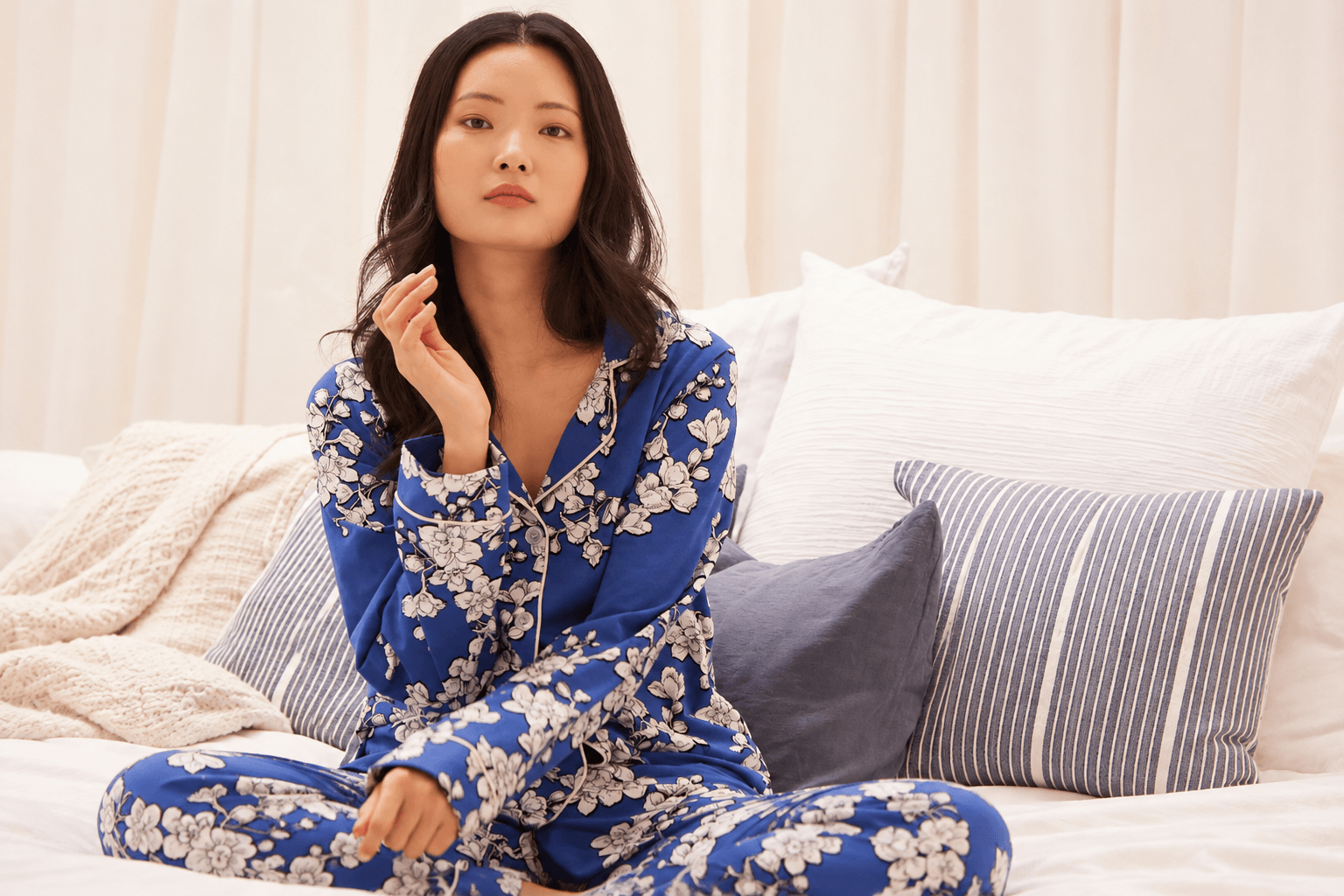
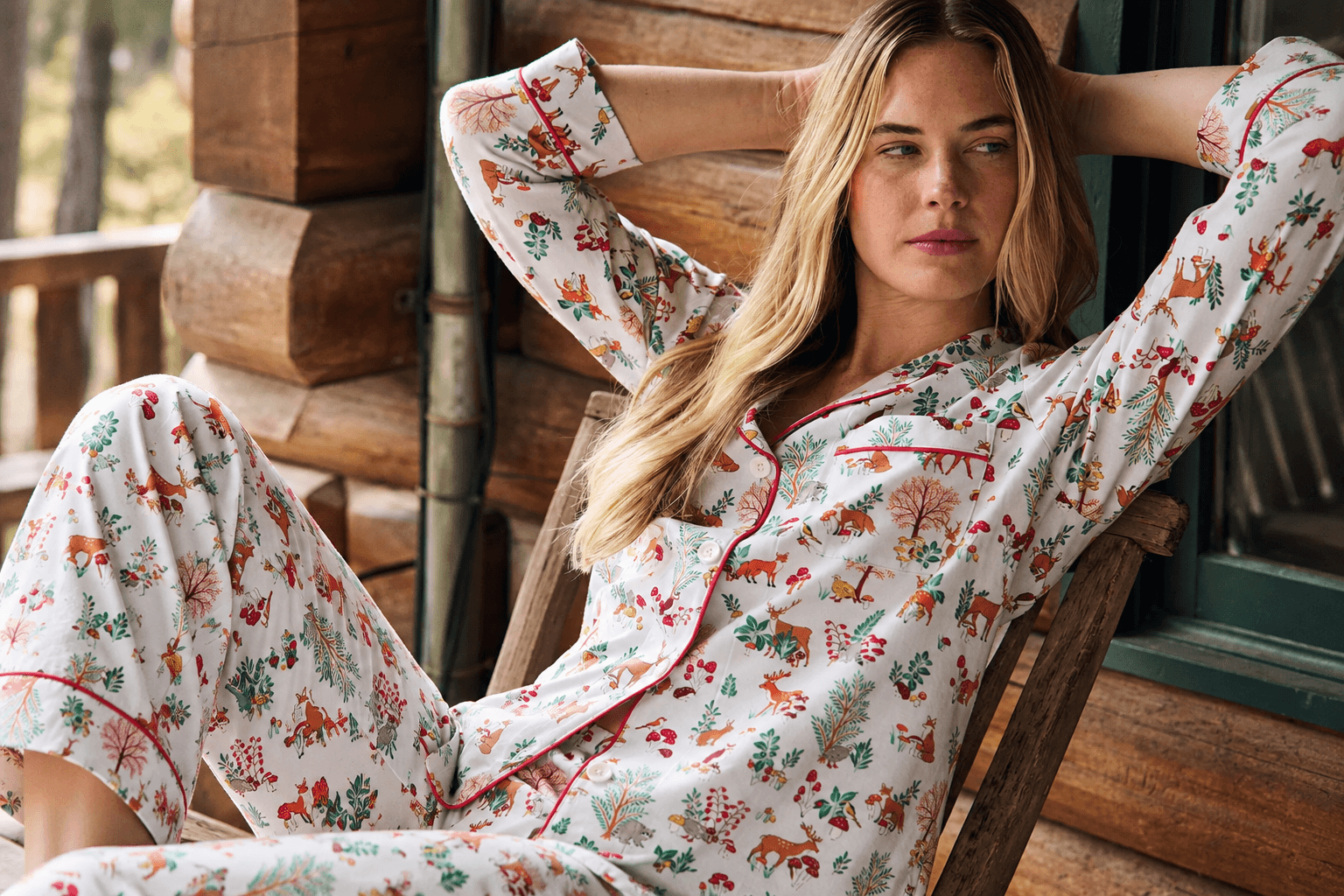
BedHead has built its collections around distinctive patterns spanning florals, stripes, whimsical illustrations and detailed scenes, alongside collaborations with artists and established design names.
There is also a noticeable California influence running through the brand. Its West Coast roots appear naturally in the use of color, pattern and playful artwork.
These are pajamas designed to have a personality of their own.
The Signature Prints That Define the BedHead PJs Aesthetic
I can appreciate a beautifully made solid-colored pajama set.
But it is difficult to build an entire brand personality around navy blue.
BedHead does not have that problem.
A large part of the experience is simply browsing the prints. One set might feature a detailed cityscape, while another turns florals, animals or seasonal imagery into something unexpectedly sophisticated.
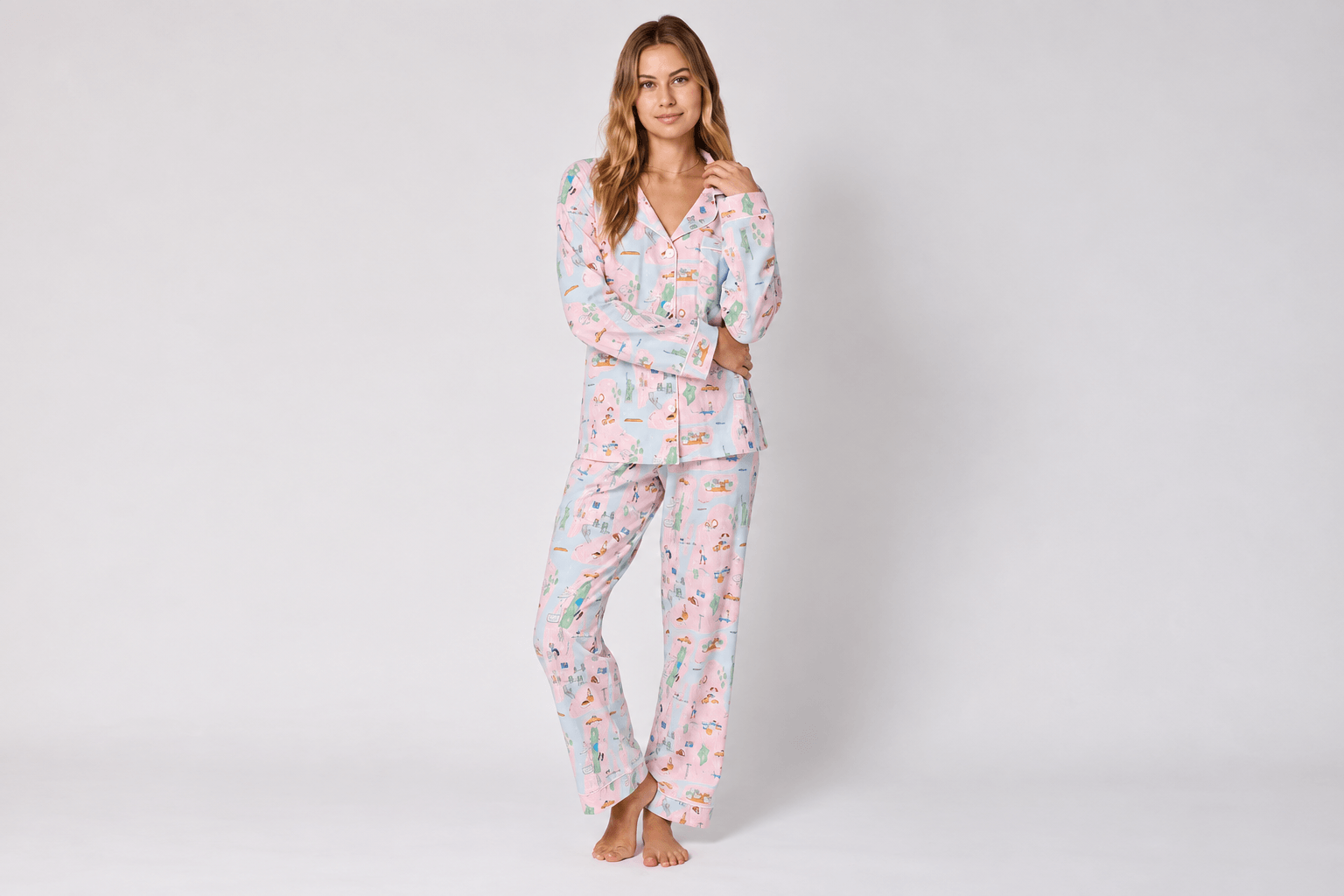
The New York, New York collection is a good example of the approach.
Rather than applying a generic pattern to a familiar pajama silhouette, BedHead uses a hand-drawn print filled with recognizable city landmarks.
The pajamas themselves retain many of the details I would expect from classic sleepwear: button fronts, notch collars, contrast piping, elasticated waistbands and full-length pants.
The artwork is what gives them character.
It is a formula BedHead returns to repeatedly: keep the silhouette recognizable, then allow the print to do the talking.
Why Fabric and Comfort Matter Just as Much as Design
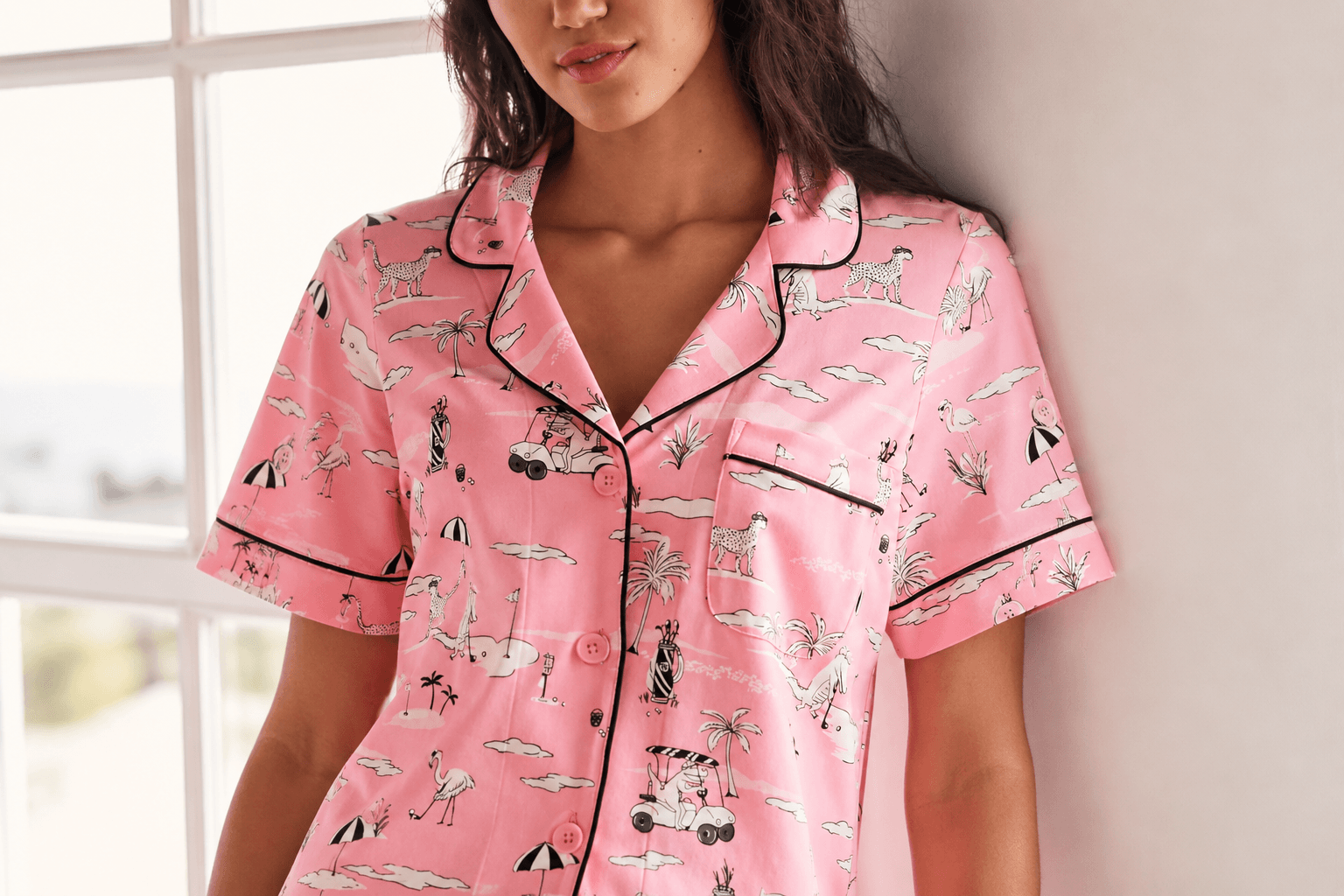
The prints may have been the first thing I noticed, but the materials become considerably more important once pajamas move from the website to the bedroom.
BedHead’s signature stretch jersey uses organically grown cotton certified to the Global Organic Textile Standard, or GOTS.
Some of its classic stretch-jersey pajamas use a blend of organic cotton and elastane, adding flexibility to clothing intended for sleeping, lounging and moving comfortably around the house.
The smaller construction details are equally practical.
Depending on the style, that can mean elasticated waistbands, pockets, button-front tops, contrast piping and relaxed fits.
BedHead also notes that some of its classic pajamas are generously fitted, with sizing guidance available for shoppers who prefer a more tailored appearance.
I like that distinction.
Premium sleepwear still has to function as sleepwear. There is little point in making beautiful pajamas if they are uncomfortable when it actually comes time to relax.
Beyond Women’s Pajamas: How BedHead Has Expanded the Collection
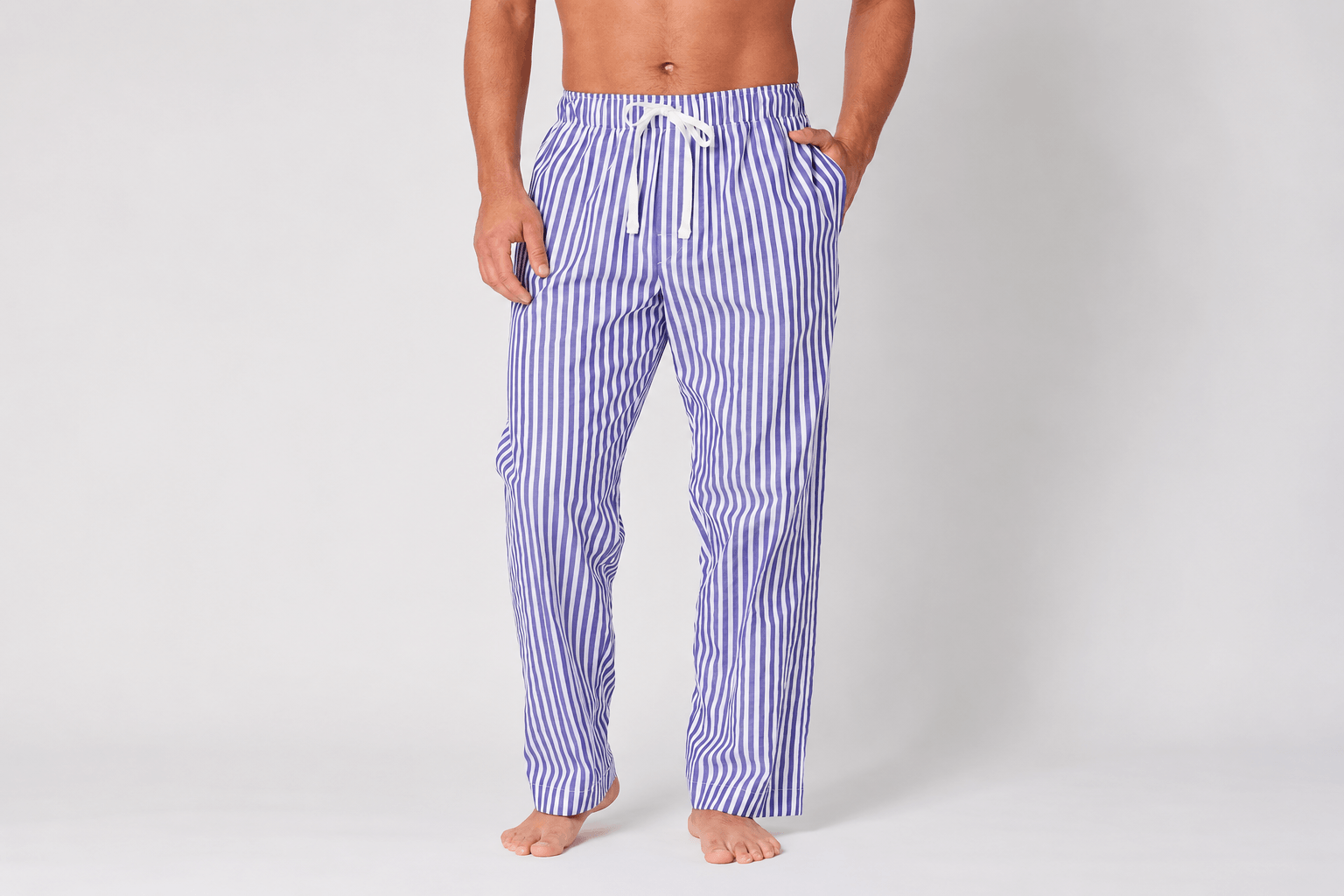
The deeper I went into BedHead’s collection, the less accurate it felt to describe it simply as a women’s pajama brand.
Women remain a major part of the collection, with long pajama sets, cropped styles, shorty sets, robes, sleepshirts and other lounge pieces.
But the wider BedHead world stretches considerably further.
There are options for men, children and infants, alongside matching family styles and even select designs for pets.
That range changes the role the brand can play.
A pajama set can be an everyday purchase. Coordinated styles can become part of a holiday tradition. A robe can become a thoughtful gift. Matching parent-and-child pajamas can turn an ordinary evening at home into something much more memorable.
BedHead appears to understand that pajamas are often connected to moments rather than simply bedtime.
That makes the category considerably more interesting.
Collaborations That Build Naturally on the Brand’s Design Identity

Fashion collaborations can sometimes feel as though two recognizable names have simply been placed next to one another.
BedHead’s approach makes more sense because print is already so central to the brand.
Its collaborations allow different design perspectives to enter the BedHead world without requiring the company to abandon what makes its sleepwear recognizable.
Its work with Trina Turk, for example, brings bold color and California-inspired design into the collection.
BedHead has also worked with Liberty Fabrics, pairing its sleepwear with the distinctive textile designs associated with the historic British design house.
Elsewhere, licensed and pop-culture collections introduce familiar imagery into BedHead’s established pajama silhouettes.
What I find interesting is that the brand does not need to reinvent itself every time it collaborates.
The canvas remains familiar.
It is what appears on that canvas that changes.
A More Considered Approach to Sustainability
I initially expected BedHead’s sustainability story to begin and end with organic cotton.
There is more happening behind the scenes.
The company says its apparel facilities are certified carbon neutral and highlights efforts involving water reuse, energy efficiency and emissions reduction.
BedHead has also addressed what happens to clothing once customers no longer want it.
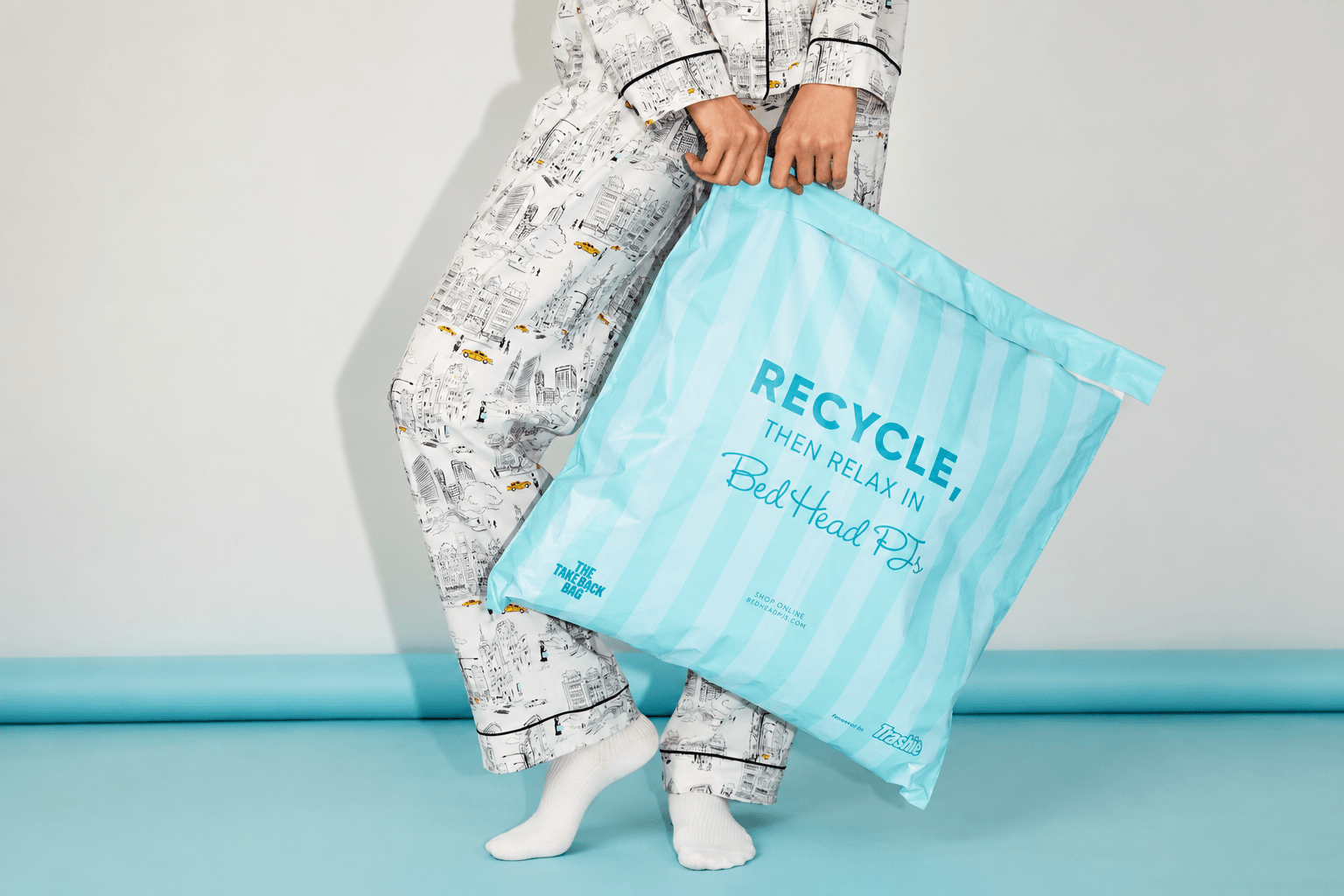
Its Take Back Bag program gives customers in the United States a way to send unwanted clothing and textiles to be sorted for potential reuse, upcycling or recycling rather than simply throwing them away.
I think that is an important part of the conversation for any clothing company.
How a garment is produced matters.
Considering what happens to it at the other end of its useful life matters too.
Why BedHead PJs Has Become a Natural Fit for Gifting

I usually think of pajamas as something people buy for themselves.
BedHead made me reconsider that.
There is something naturally giftable about a product that combines comfort with distinctive design. It can feel personal without requiring quite the same precision as buying someone a dress, pair of jeans or shoes.
The breadth of prints helps here too.
Someone who loves florals can go in one direction. Someone who prefers playful illustrations can go in another. Seasonal collections work naturally around holidays, while matching family pajamas introduce an entirely different kind of gift.
The result is sleepwear that can feel deliberately chosen rather than simply practical.
And that distinction is important.
A good pajama set is useful.
A good pajama set that somehow reminds you of the person who gave it to you is something else entirely.
What I Would Consider Before Choosing a BedHead PJs Set
The personality of the brand should not distract from the practical details.
Fit is one of them.
Some BedHead styles are intentionally generous, so I would check the individual product description and size guidance rather than assuming a usual size will translate perfectly across every silhouette.
Fabric is another.
While organic cotton stretch jersey is an important part of the collection, BedHead offers different materials and constructions across its range. That makes it worth considering whether the priority is stretch, lightweight comfort, warmth or a particular feel against the skin.
Return conditions are also worth checking before purchasing, particularly when shopping sale merchandise or buying pajamas for somebody else.
These are relatively ordinary considerations, but they become more important when moving into premium sleepwear where the right fit and fabric can make a noticeable difference.
Final Thoughts: A More Expressive Approach to Everyday Sleepwear
I started looking at BedHead PJs expecting to find nice pajamas.
That description now feels incomplete.
What I found was a brand that has spent decades treating sleepwear as an actual design category rather than something that exists only after the rest of the wardrobe has been considered.
The materials matter. The construction matters. The sustainability initiatives add another dimension to the company.
But the most memorable part of BedHead is still its personality.
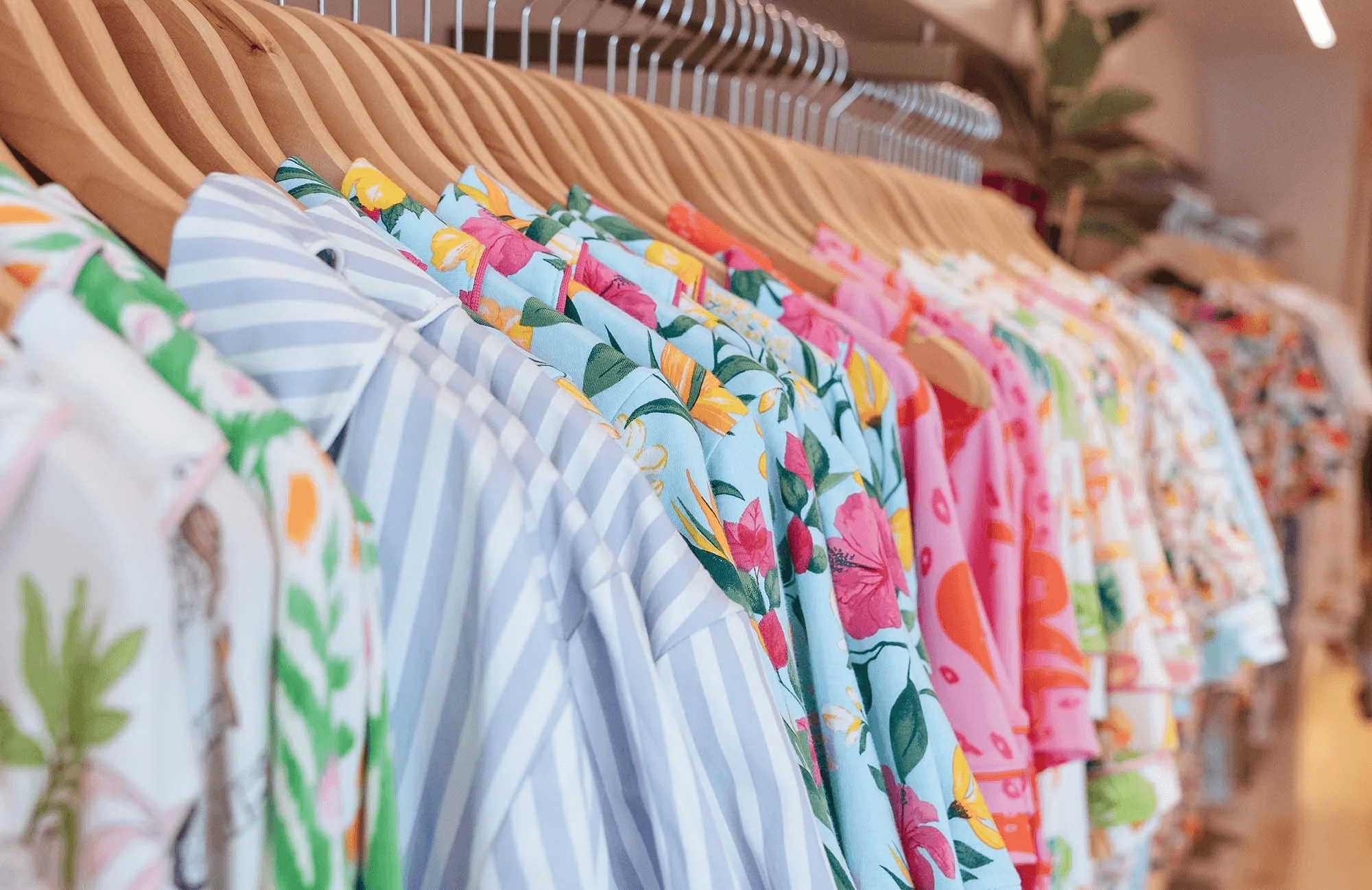
There is an almost unmistakable sense of optimism running through the prints. They can be colorful, whimsical and considerably more expressive than anything technically required for a good night’s sleep.
And perhaps that is exactly why the concept works.
Most of us spend a significant amount of our lives at home. We have clothes for work, clothes for dinner, clothes for exercising and clothes for practically every other part of the day.
There is no particularly good reason the clothes we wear when the day is finally over should be the least interesting ones we own.
BedHead PJs seems to have understood that for a very long time.