

Saving for education is often discussed in terms of large financial goals, monthly contributions, and long-term planning. But what if some of the purchases people already make could also contribute to those savings?
That's the idea behind Upromise, a U.S. rewards program designed to help families turn eligible everyday spending into cash-back rewards that can support education-related financial goals.
What interests me about Upromise is that it approaches saving from a different direction. Rather than asking families to completely change their financial habits, it offers opportunities to earn rewards through activities such as online shopping, restaurant dining, and eligible purchases.
The program has been around since 2000, but its approach remains relevant in 2026, particularly as families look for additional ways to manage education expenses.
I wanted to explore how Upromise works, what members can realistically expect, and where it fits into a broader education savings strategy.
A Rewards Program With Education in Mind
Upromise was established in 2000 with a straightforward concept: help families accumulate rewards that can contribute toward future education expenses.
Since its launch, the company reports that more than 7 million members have joined and over $1 billion in rewards have been awarded.
Those figures reflect the program's long-standing presence in the education savings space.
Unlike a traditional savings account, Upromise doesn't require members to deposit a fixed amount every month.
Instead, members can earn cash-back rewards through qualifying activities and transfer eligible earnings into linked financial accounts.
One distinction I think is particularly important is that Upromise is not itself a 529 college savings plan.
A 529 plan is a separate education savings account that may offer tax advantages, while Upromise is a rewards program that can supplement contributions to an eligible plan.
That distinction helps clarify the platform's role: it is designed to complement existing savings efforts rather than replace them.
How Everyday Purchases Can Generate Rewards
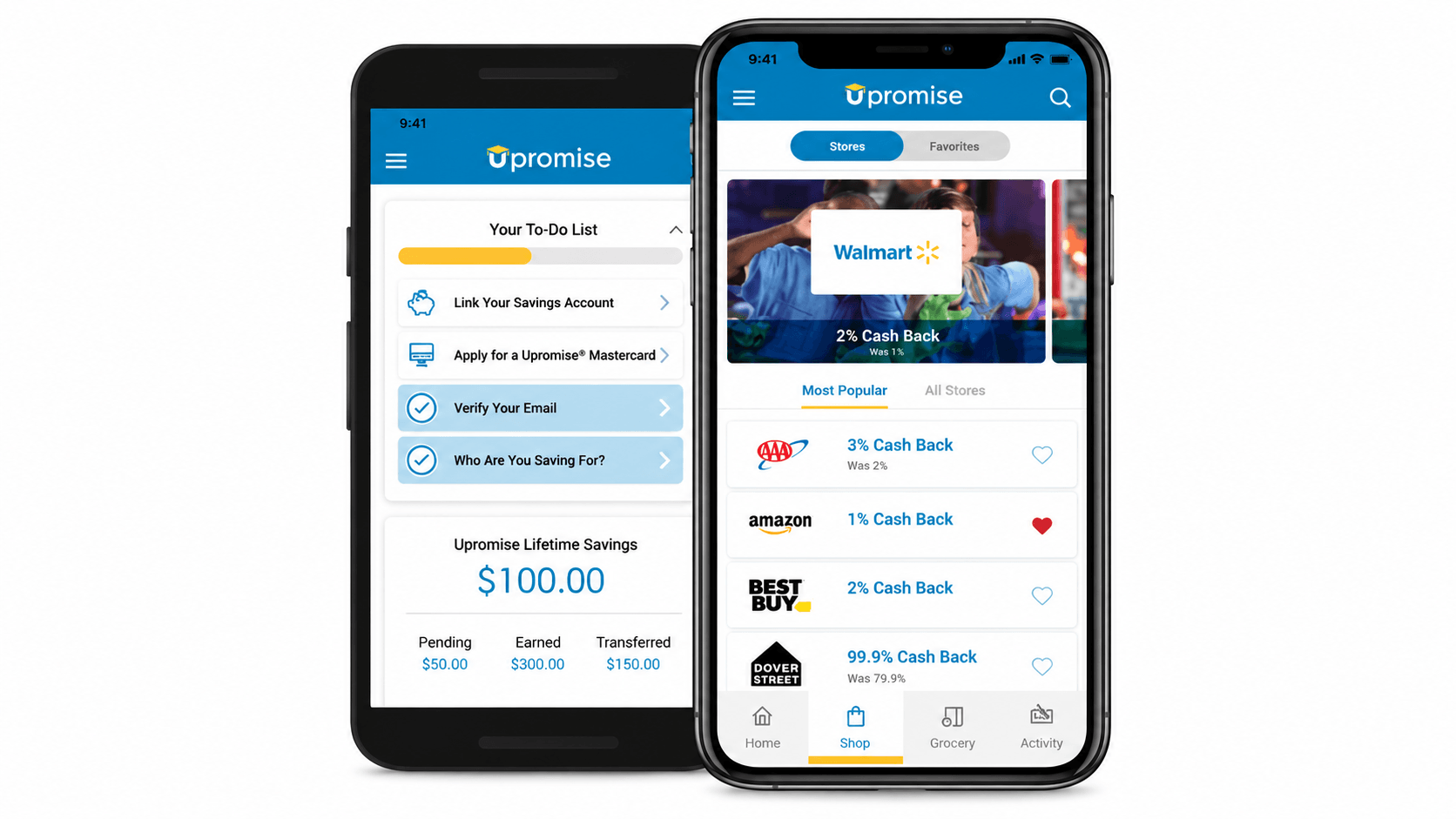
The most interesting part of Upromise is the variety of ways members can earn rewards.
The platform connects qualifying purchases and activities to a rewards account, allowing eligible earnings to accumulate over time.
Members can explore participating retailers, register payment cards for dining rewards, and access additional opportunities through the program.
Here is how the main earning methods compare.
| Earning method | How it works | What to consider |
|---|---|---|
| Online shopping | Shop through Upromise at participating retailers | Reward rates and eligible purchases vary |
| Restaurant dining | Use a registered eligible card at participating restaurants | Restaurant participation and transaction requirements apply |
| Upromise World Mastercard | Earn cash back on qualifying card purchases | Credit approval, rates, and card terms apply |
| Additional activities | Access eligible offers and other rewards opportunities | Availability and conditions vary |
For me, the biggest appeal is the possibility of earning rewards on purchases that were already planned.
For example, someone buying household essentials or ordering from a participating online retailer might be able to earn cash back by starting through Upromise.
However, not every purchase qualifies, and reward rates can differ significantly between merchants.
I would always check the applicable terms before assuming that a particular transaction will generate rewards.
What Happens to the Rewards You Earn?
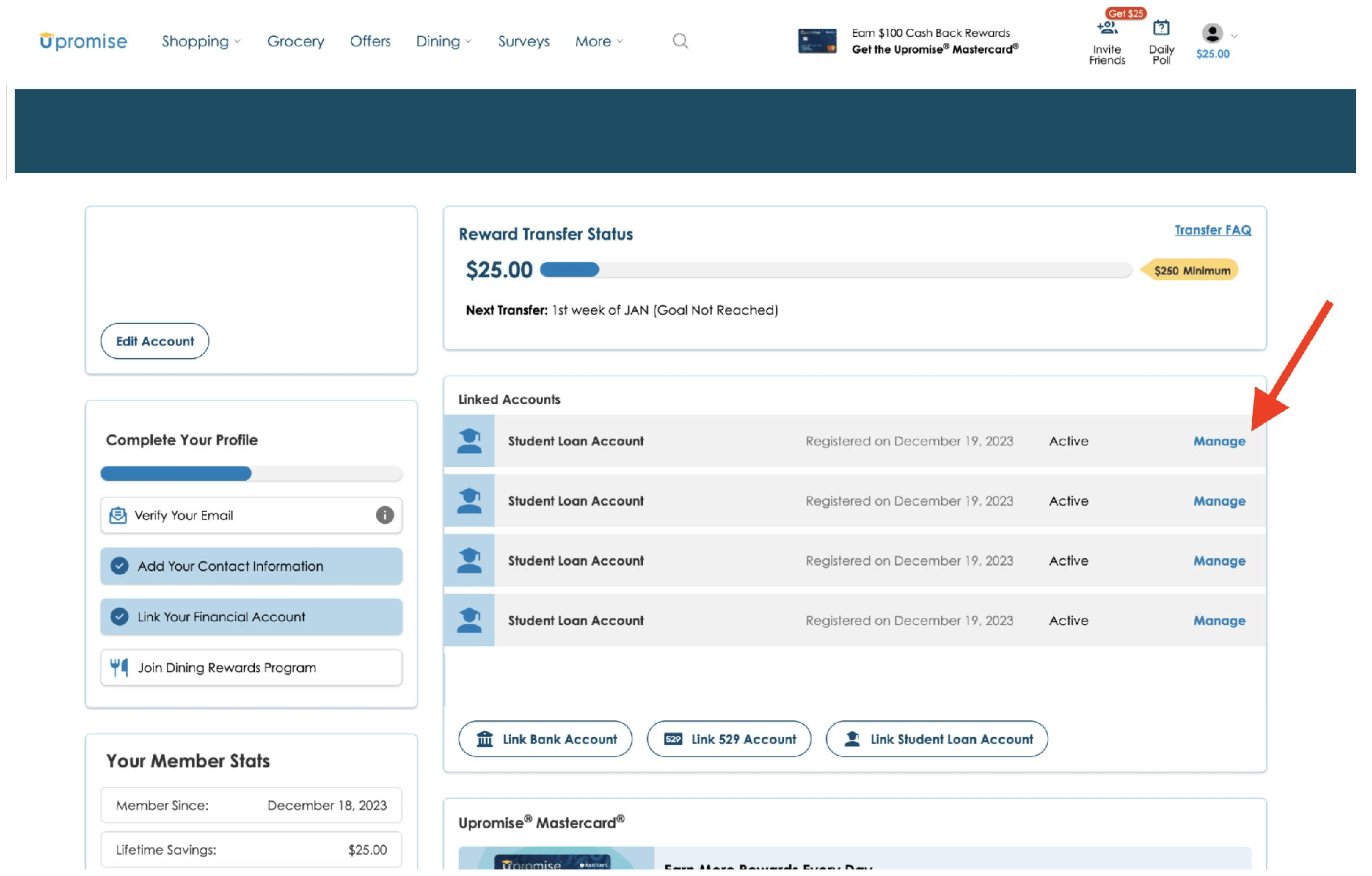
Earning rewards is only one part of the Upromise experience. Understanding what happens afterward is equally important.
When an eligible transaction is reported, the associated rewards generally appear in the member's account as pending.
According to Upromise, qualifying shopping and dining transactions typically appear within seven business days, although timing can vary.
Pending rewards may take up to an additional 75 days to become earned rewards.
Once rewards are available, eligible balances can be transferred to verified linked accounts, subject to minimum transfer requirements.
Upromise generally processes automatic transfers during the first week of each month.
The published minimum transfer amount is $50 for an eligible 529 plan or student loan account, while members linking only checking or savings accounts generally have a $10 minimum per linked account.
Different requirements can apply when multiple accounts are connected.
I appreciate that Upromise provides a way to monitor pending rewards, earned balances, and transfer activity.
At the same time, I wouldn't treat rewards as money that becomes available immediately after a purchase.
There can be a meaningful delay between completing a transaction and receiving the associated funds.
Where Upromise Fits Into a 529 College Savings Plan

For families already saving through a 529 plan, Upromise offers a way to supplement existing contributions.
A 529 college savings plan is a tax-advantaged account designed for qualifying education expenses, subject to applicable rules.
Upromise allows members to connect eligible 529 accounts so earned rewards can be transferred automatically when the requirements are met.
The platform states that it supports linking to more than 180 state-sponsored 529 plans.
I think this is one of the clearest examples of how the program can fit into a broader savings strategy.
A family might already contribute a set amount to a 529 plan each month. Upromise rewards could provide an additional source of contributions without changing that established routine.
Of course, the amount earned will depend on eligible purchases, available offers, and how consistently the program is used.
Upromise rewards should therefore be viewed as supplemental contributions rather than a reliable substitute for regular savings.
It's also worth remembering that a Upromise rewards account does not itself earn interest, provide FDIC insurance, or offer the federal tax advantages associated with a qualifying 529 plan.
The Upromise World Mastercard: An Optional Way to Earn
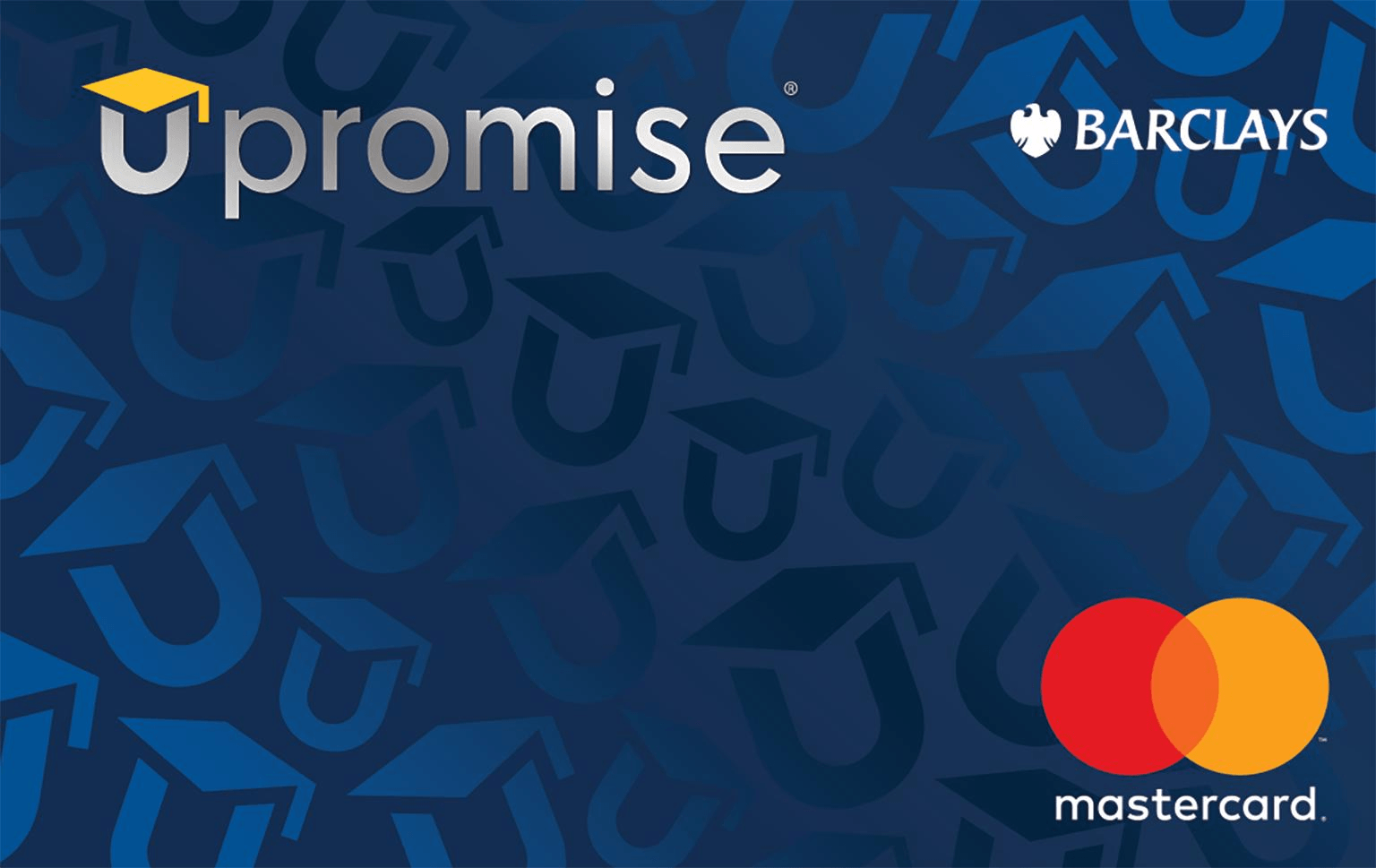
Upromise also offers a branded credit card, the Upromise World Mastercard, as an additional way for eligible cardholders to earn rewards.
According to the program's published information, cardholders can earn 1.529% cash back on qualifying purchases when their Upromise account is linked to an eligible 529 college savings plan or student loan account.
A lower rate of 1.25% applies when the account is not linked or is linked to another qualifying account type.
The card also includes a Round Up feature that allows cardholders to set limits for rounding eligible purchases to the nearest dollar. These additional amounts are treated as purchases and converted into cash-back rewards.
However, the credit card is optional.
Members can participate in Upromise through qualifying online shopping, restaurant dining, and other activities without applying for the Mastercard.
For me, that distinction matters because a rewards program should be evaluated separately from the decision to open a credit account.
Anyone considering the card should review the current interest rates, fees, eligibility requirements, and full terms.
Cash-back rewards are not a good reason to carry expensive credit card debt, particularly when interest charges could exceed the value of the rewards earned.
What's Different About Upromise in 2026?

One development worth highlighting this year is the Future Funds Sweepstakes, a promotional campaign running through December 31, 2026.
The campaign gives eligible participants opportunities to win cash prizes, including a $20,000 grand prize, quarterly prizes, and monthly awards.
Upromise advertises more than $100,000 in total prizes across the promotion.
The campaign is separate from the platform's ordinary cash-back rewards program, and participation is governed by official eligibility requirements and rules.
Importantly, no purchase is necessary to enter or win.
I think the promotion reflects how Upromise is continuing to introduce new ways to engage members, although sweepstakes prizes should never be treated as a dependable education savings strategy.
For anyone evaluating the platform, the regular rewards program remains the more useful feature to understand.
Could Holiday Shopping Contribute to Education Savings?

As October moves toward November and December, many U.S. households begin planning purchases for Thanksgiving, Black Friday, Cyber Monday, and the holiday season.
In 2026, Black Friday falls on November 27 and Cyber Monday on November 30.
For Upromise members, this period may provide opportunities to earn rewards through participating online retailers.
The important consideration is whether a planned purchase qualifies for cash back and whether the available reward offers represent worthwhile value.
I would begin by comparing prices across retailers, checking any available Upromise rewards, and reviewing the purchase conditions.
Some merchants may exclude particular product categories, promotional codes, or other transactions from rewards eligibility.
I also wouldn't assume that Upromise will offer specific Black Friday or Cyber Monday bonuses until those promotions are officially confirmed.
The goal shouldn't be to spend more simply to accumulate rewards.
Instead, Upromise may add value when eligible cash back is available on purchases that already fit within a household's budget.
What I Would Check Before Joining Upromise
Although Upromise is free to join, I think there are several practical details worth understanding before getting started.
First, rewards are not guaranteed on every purchase.
Participating merchants, eligible products, transaction conditions, and available offers can change.
Second, the amount accumulated may be relatively modest, particularly for members who make only occasional qualifying purchases.
A reward of a few dollars can still be useful, but it shouldn't be confused with a comprehensive education savings strategy.
Third, transfers are subject to verification and minimum balance requirements.
Members should understand how their linked accounts work and how long it may take for earned rewards to become available.
Finally, I'd consider the privacy and account-linking requirements involved in registering payment cards or connecting financial accounts.
These details are worth reviewing before sharing financial information with any rewards platform.
A Different Perspective on Building Education Savings

After exploring Upromise, what stands out to me is the way the program connects everyday financial activity with longer-term education goals.
It doesn't eliminate the need for a dedicated savings plan, and it certainly doesn't guarantee that families will accumulate large amounts through rewards alone.
But that isn't necessarily its purpose.
Upromise offers an additional way to contribute toward education savings through qualifying purchases and activities that might already be part of a household's routine.
I also appreciate the flexibility of linking eligible 529 plans, student loan accounts, or bank accounts, depending on individual circumstances.
For families already thinking seriously about future education expenses, that flexibility may make the program worth exploring.
Ultimately, Upromise's appeal isn't about transforming ordinary shopping into a complete financial solution. It's about finding opportunities for smaller rewards to contribute toward a bigger goal.
And in 2026, with education costs remaining an important consideration for many American families, that is a different approach to saving worth understanding.