
A transmission failure at 90,000 miles. Four thousand dollars, maybe more, and it shows up without warning. That fear is exactly what vehicle service contracts are supposed to solve, and CarShield is a name that keeps showing up if you go looking. Does the monthly bill actually earn its keep though?
Different question. This review gets into the plans, the pricing, the claims process, and the FTC history that keeps surfacing whenever people search this brand. One thing to get straight first. Not every repair gets covered. Doesn't matter what the commercials make it sound like.
What Is CarShield?
Vehicle service contracts. Not warranties, and that distinction matters here. A factory warranty comes with the car, bundled in from the manufacturer. A service contract is something else, something you go buy on your own, usually right around when that factory coverage runs out.
CarShield doesn't fix your car. Doesn't cut the check either. It sells you the plan, then hands things off to a third party administrator, usually American Auto Shield, and that company handles the money once something breaks. Mostly built for people whose factory warranty already expired, or is about to, and who would rather not get blindsided by a five figure repair bill.
CarShield Coverage Plans
Available Protection Plans
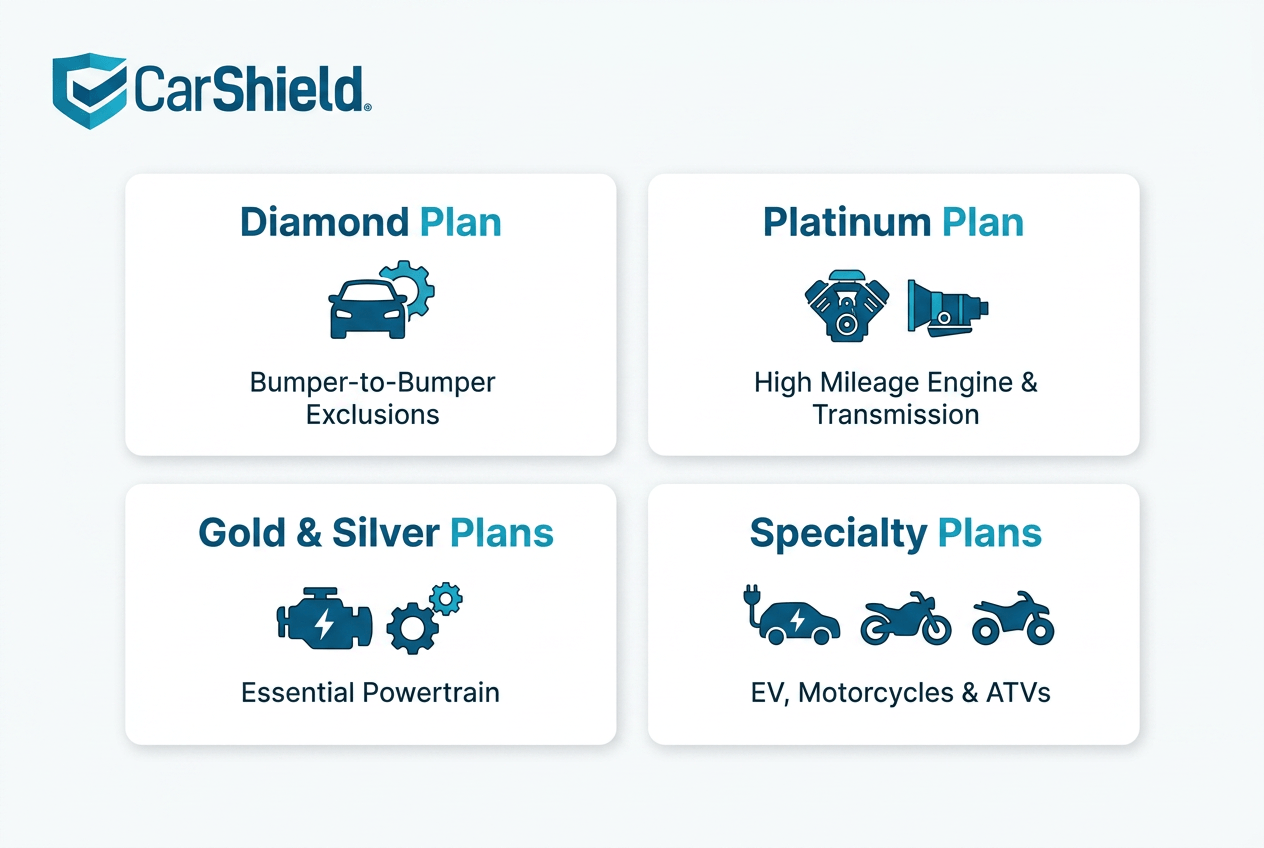
Several tiers here. Diamond sits at the top, exclusionary, meaning it covers pretty much everything except whatever gets specifically written out. Close to a factory bumper to bumper warranty, honestly. Platinum sits one notch below, aimed at higher mileage vehicles specifically.
Then Gold and Gold Select in the middle somewhere, decent coverage for an older car without Diamond level pricing attached. Silver keeps it simple. Mostly just the powertrain. A couple specialty options round things out too, one for EVs, another covering motorcycles and ATVs.
What's Covered
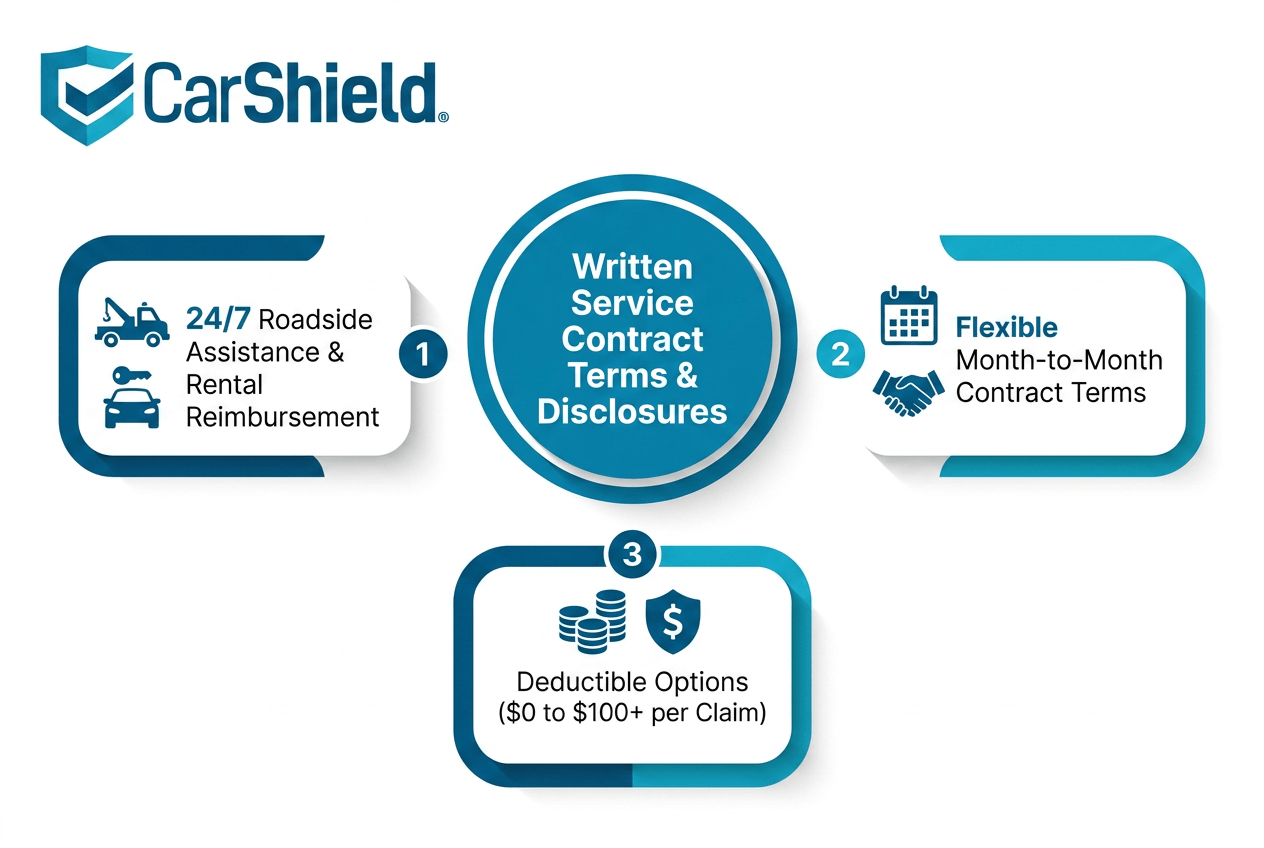
Depends on the plan, but you are generally looking at engine components, transmission, electrical systems, air conditioning, drive axles, water pumps, plus the transfer case if you drive four wheel drive. Roadside assistance and rental reimbursement usually get thrown in too, while your car sits waiting on parts.
What's Not Covered
This is where the frustration starts, honestly. Routine maintenance never counts. Oil changes, brake pads, stuff like that. Normal wear and tear gets left out too. Same with pre-existing conditions, anything from a collision, damage from some aftermarket modification somebody installed.
Shows up in complaints constantly, mostly because people go in assuming this works like insurance for anything mechanical that could possibly go wrong. It really doesn't work that way.
CarShield Pricing
Do not expect an instant number online, because there isn't one. CarShield makes you call for a quote, which is annoying if all you want is a rough figure to compare against.
Monthly cost moves around depending on your car, its age, how many miles are on it, and which plan you end up picking. Diamonds cost more than Silver, obviously. And honestly, quoting exact numbers here would probably be wrong within a year anyway, prices shift that often.
A few things worth knowing before you call:
- No online quotes. Pricing only comes by phone.
- Deductibles run anywhere from $0 to a few hundred bucks per claim. Lower deductible, higher monthly bill, that tradeoff again.
- Your specific car drives the number more than anything else. Make, model, age, mileage, plan tier, all of it factors in.
Pros and Cons
| Pros | Cons |
| Six plan tiers, everything from basic powertrain up to something close to bumper to bumper | No instant quote online. You have to call and wait on hold for a number |
| Older or higher mileage cars that get turned away elsewhere often still qualify here | Exclusions catch people off guard a lot, pre-existing conditions especially |
| A car breaks down somewhere inconvenient, rental reimbursement and roadside assistance actually help | Repairs cannot start until pre-authorization clears, which eats up time |
| No long term lock in, month to month, cancel whenever your situation changes | Reviews are all over the place. Depends heavily on which repair, which contract |
Claims Process and Customer Experience
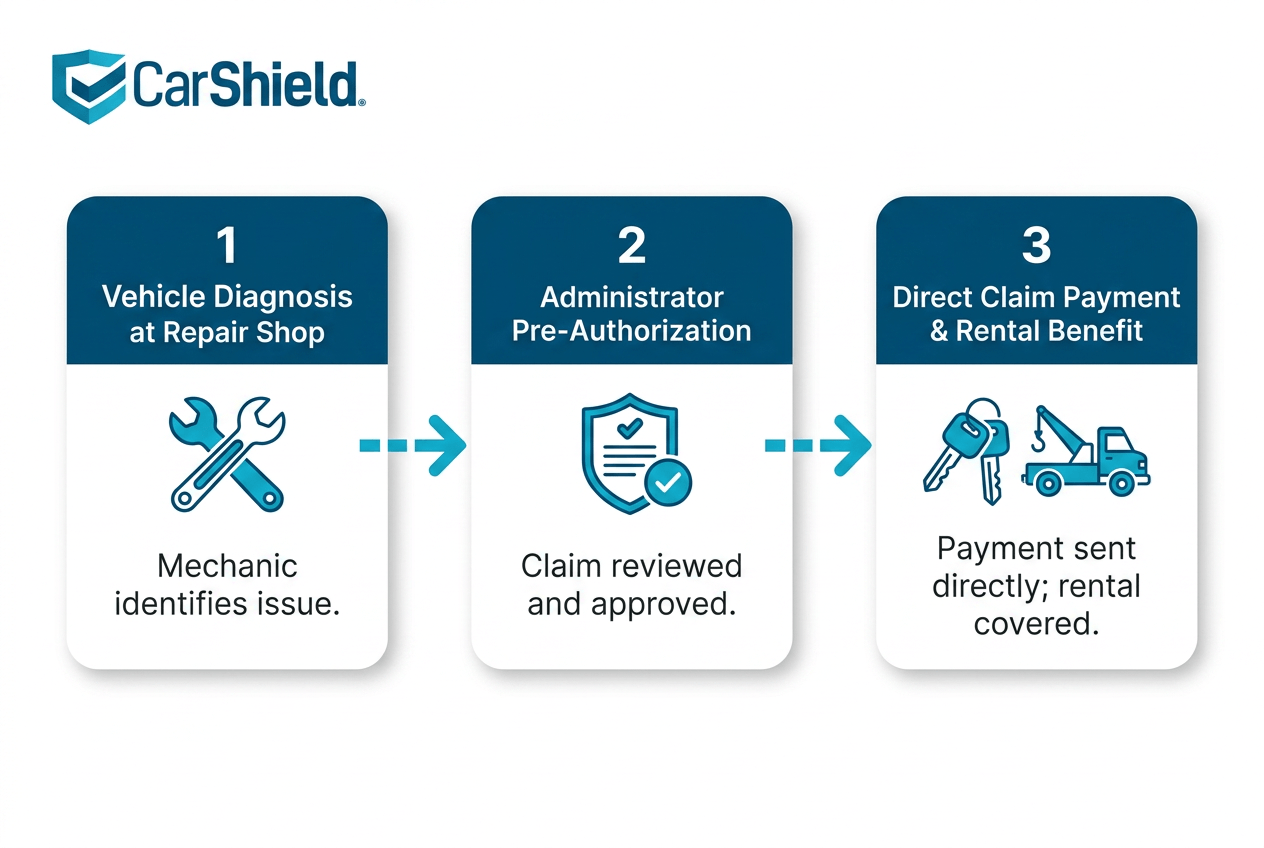
Filing a claim usually starts at the repair shop, not with CarShield. The shop diagnoses the issue, then calls the administrator for pre-authorization before starting work. That step is where most friction lives. When claims get approved, things tend to go fine, plenty of people say exactly that. The complaints keep landing in the same spot though.
A customer figured a repair was covered. The administrator didn't agree. Pre-existing condition, some exclusion nobody noticed in the fine print, that sort of thing. Authorization delays show up a lot too. None of this means nobody gets paid, they clearly do, but how it goes for you depends a lot on your contract and how well your maintenance records hold up.
Is CarShield Legit?
Yes, real company, not a scam. Its history isn't spotless though. Back in 2024, roughly $10 million went to the FTC to settle claims that its ads made coverage sound better than what the contract actually delivered. Refund checks followed, over 100,000 of them, going out to customers whose claims got denied.
Since then, disclosures have gotten clearer, that much the settlement forced. None of this means the company is a fraud. It just means two documents exist here, the marketing and the contract, and only the second one is binding. Read that one before signing anything, not the commercial.
CarShield vs Endurance
Endurance gets compared to CarShield constantly, both dominate the same search results. The core difference comes down to who actually handles your claim, and how much flexibility you get in exchange.
| Factor | CarShield | Endurance |
| Claims administration | Sold by CarShield, handled by a third party administrator (usually American Auto Shield) | Handled directly, one company from purchase through payout |
| Quotes | Phone call required, no online pricing | Online quotes available |
| Contract flexibility | Month to month options, no long term lock in | Typically longer term contracts |
| Best fit | Specialty and higher mileage vehicles, drivers who want flexible terms | Drivers who prioritize direct, in-house claims handling and service ratings |
Neither company covers pre-existing conditions or routine maintenance, that part is standard across the industry either way.
Is CarShield Worth It?
Worth it if your vehicle is past its factory warranty, if a major repair would genuinely strain your finances, and if there isn't much set aside for something like a transmission rebuild. Skip it if the factory warranty is still active, since you'd just be paying twice for the same protection.
Skip it too if you'd rather self-insure with your own repair fund, or if exclusions and pre-authorization steps sound like more hassle than you want. And skip it if you are not willing to read the contract, because that document, not the commercial, decides whether a claim gets paid.
Common Questions About CarShield
Is CarShield a scam?
No, legitimate, though the FTC settlement means reading contract terms matters more than trusting the marketing.
Does it cover used cars?
Yes, terms depend on age and mileage.
Can you cancel?
Yes, month to month, no long lock in, though a small admin fee may apply after an initial window.
How long is the waiting period?
Varies by plan, but expect roughly 30 days before you can file a claim.
Final Verdict
Legitimate vehicle service contract provider, wide range of plans, real flexibility competitors do not always match. The FTC settlement and the recurring claim denial complaints are genuine weaknesses, not marketing spin.
Whether it's worth the cost depends on your vehicle's age, your budget, and whether you are actually willing to read what is and is not covered before signing. For an older car with no factory coverage left, it can make sense. For anyone still under warranty, or unwilling to dig into contract fine print, probably not.