Faxing might sound like a technology businesses should have left behind years ago.
sBut after looking more closely at eFax in 2026, I found a very different story.
The brand isn't simply trying to recreate a traditional fax machine online. Its business offering has developed around a much broader challenge: helping organizations send, receive, manage and integrate important documents without relying on traditional fax hardware and paper-based processes.
Through eFax Business and eFax Corporate, the company now serves organizations ranging from smaller teams to large enterprises and highly regulated industries.
Cloud faxing remains at the center of the platform, but around it are enterprise integrations, centralized administration, security and compliance capabilities, APIs and healthcare interoperability tools.
For me, that is what makes eFax particularly interesting in 2026.
The fax hasn't disappeared.
eFax has modernized the infrastructure surrounding it.
eFax Corporate Brings Business Faxing Into the Cloud
One of the clearest changes eFax brings to traditional business faxing is removing the dependence on physical fax infrastructure.
With eFax Corporate, organizations can send and receive faxes digitally rather than maintaining conventional fax machines, dedicated fax lines and paper-heavy workflows.
That creates a very different experience for businesses with employees spread across departments, offices or remote locations.
Documents can be managed through a cloud-based environment instead of being tied to a machine sitting in one particular office.
I think that distinction is important.
eFax isn't necessarily asking organizations to abandon fax communication altogether. Instead, it allows them to maintain compatibility with businesses and industries that still use fax while moving the process itself into a more modern digital environment.
How eFax Integrates With Modern Business Systems
Moving faxing online solves one problem.
Integrating it into the systems businesses already use solves another.
This is where I think the eFax Corporate proposition becomes considerably more interesting.
The eFax Enterprise API allows organizations to integrate fax functionality into existing applications and workflows, including CRM, ERP and electronic health record systems.
Rather than requiring employees to constantly move between separate tools, fax capabilities can become part of the software environment they already work within.
eFax says its platform supports integrations across more than 100 CRM, ERP and EHR systems, while its RESTful Enterprise API supports development environments including Python, Java and C#.
For businesses handling significant document volumes, that integration capability can be much more important than simply being able to send a fax from a computer.
The bigger opportunity is making fax communication part of an existing digital workflow.
Security and Compliance Across the eFax Corporate Platform
Convenience is only one part of business communications.
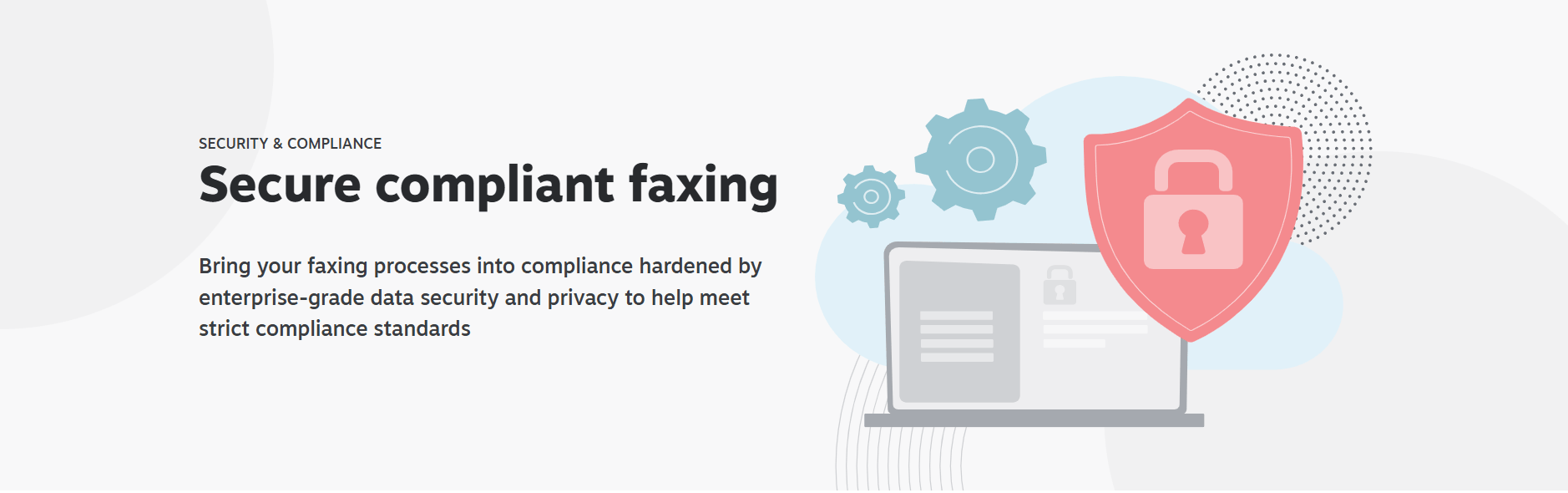
When organizations are exchanging medical records, financial information, legal documents or other sensitive data, the way that information is protected becomes just as important.
Security and compliance are therefore a significant part of the eFax Corporate proposition.
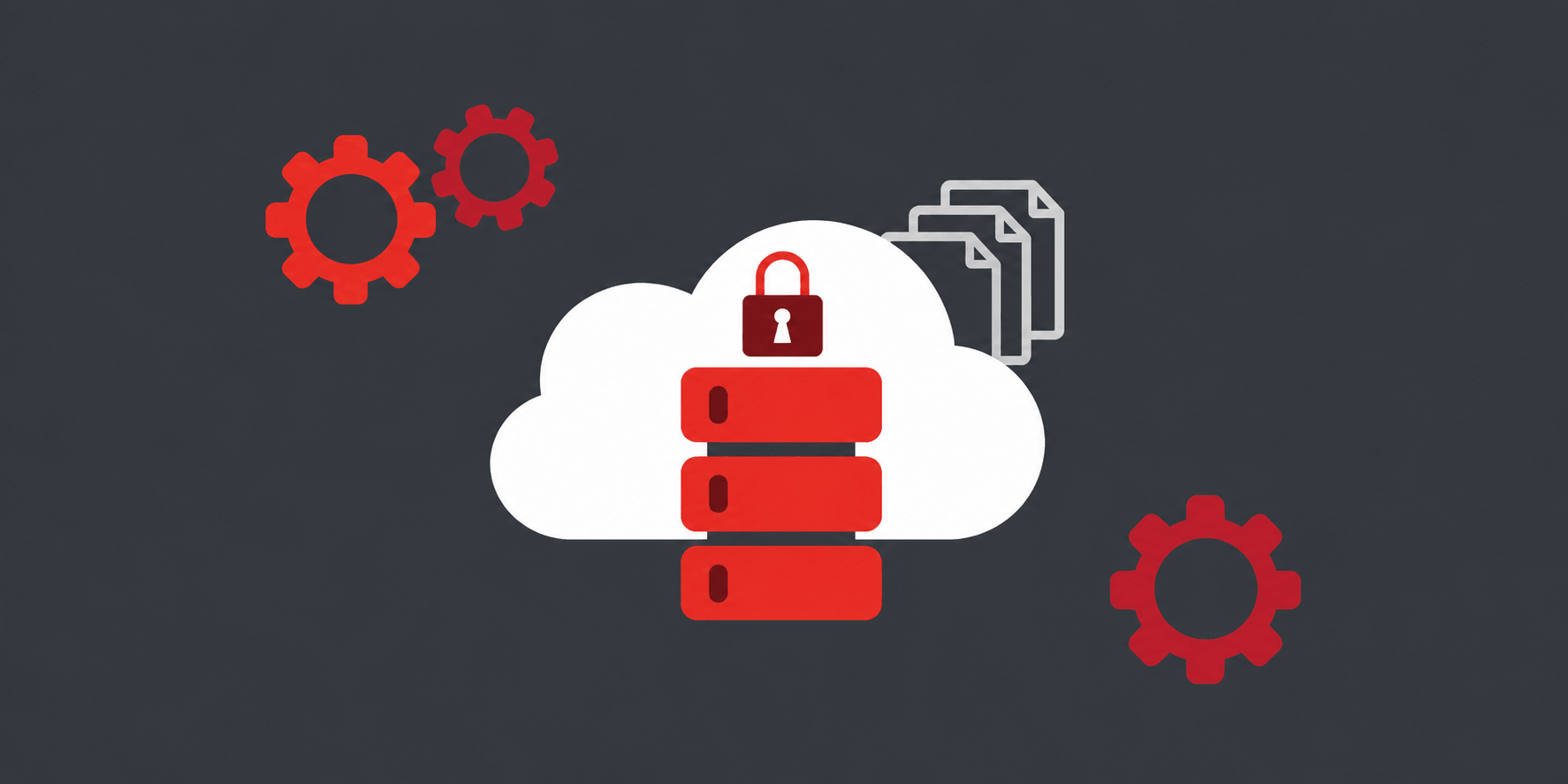
The platform uses AES 256-bit encryption for stored information and TLS 1.2 for transmission, alongside access controls and auditing capabilities.
eFax also positions Corporate for organizations operating within regulatory environments that can include HIPAA, GLBA, SOX and PCI-DSS, depending on the organization's own requirements and implementation.
Another important distinction is HITRUST certification, which is particularly relevant to healthcare organizations and other businesses regularly handling sensitive information.
For eligible healthcare workflows involving protected health information, Business Associate Agreements (BAAs) are also available.
Of course, choosing a compliant technology provider doesn't automatically make an entire organization compliant.
But for businesses operating in regulated environments, having security and compliance capabilities built into the platform can make eFax a considerably more practical alternative to traditional fax infrastructure.
How eFax Is Expanding Its Role in Healthcare Communications
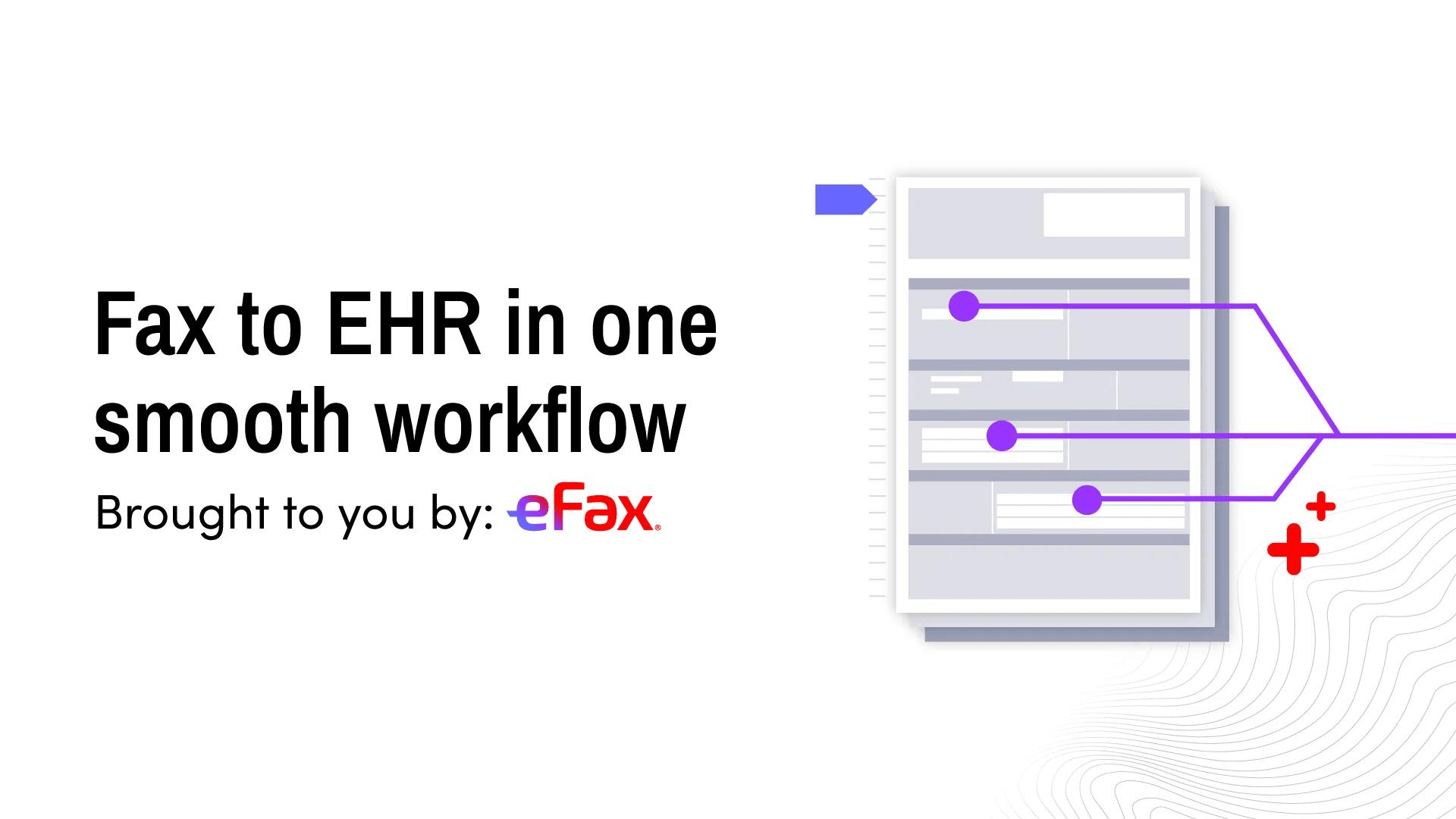
Healthcare is one of the areas where I think the evolution of eFax becomes particularly clear.
Hospitals, clinics, physicians, insurers and other healthcare organizations still exchange enormous volumes of important information.
The challenge isn't simply getting a document from one organization to another.
Information may arrive in different formats, through different systems and as structured or unstructured documents that still need to become useful within a healthcare workflow.
eFax has expanded its healthcare offering around that problem.
Its wider portfolio includes technologies such as eFax Unite and eFax Clarity, alongside integrations with electronic health record systems and support for healthcare interoperability technologies and standards including Direct Secure Messaging, FHIR and HL7.
eFax Clarity is especially interesting because it moves beyond document transmission.
The technology uses AI-powered document processing and natural language processing to extract information from structured and unstructured documents and transform it into more usable data.
To me, that demonstrates how far the eFax proposition has moved beyond simply digitizing the fax machine.
The question is no longer only:
“How do we receive this document?”
Increasingly, it is:
“How do we make the information inside that document useful once it arrives?”
Managing Business Faxing at Enterprise Scale
The requirements of an organization managing hundreds or thousands of document exchanges can be very different from those of an individual professional sending an occasional fax.
eFax Corporate reflects that distinction.
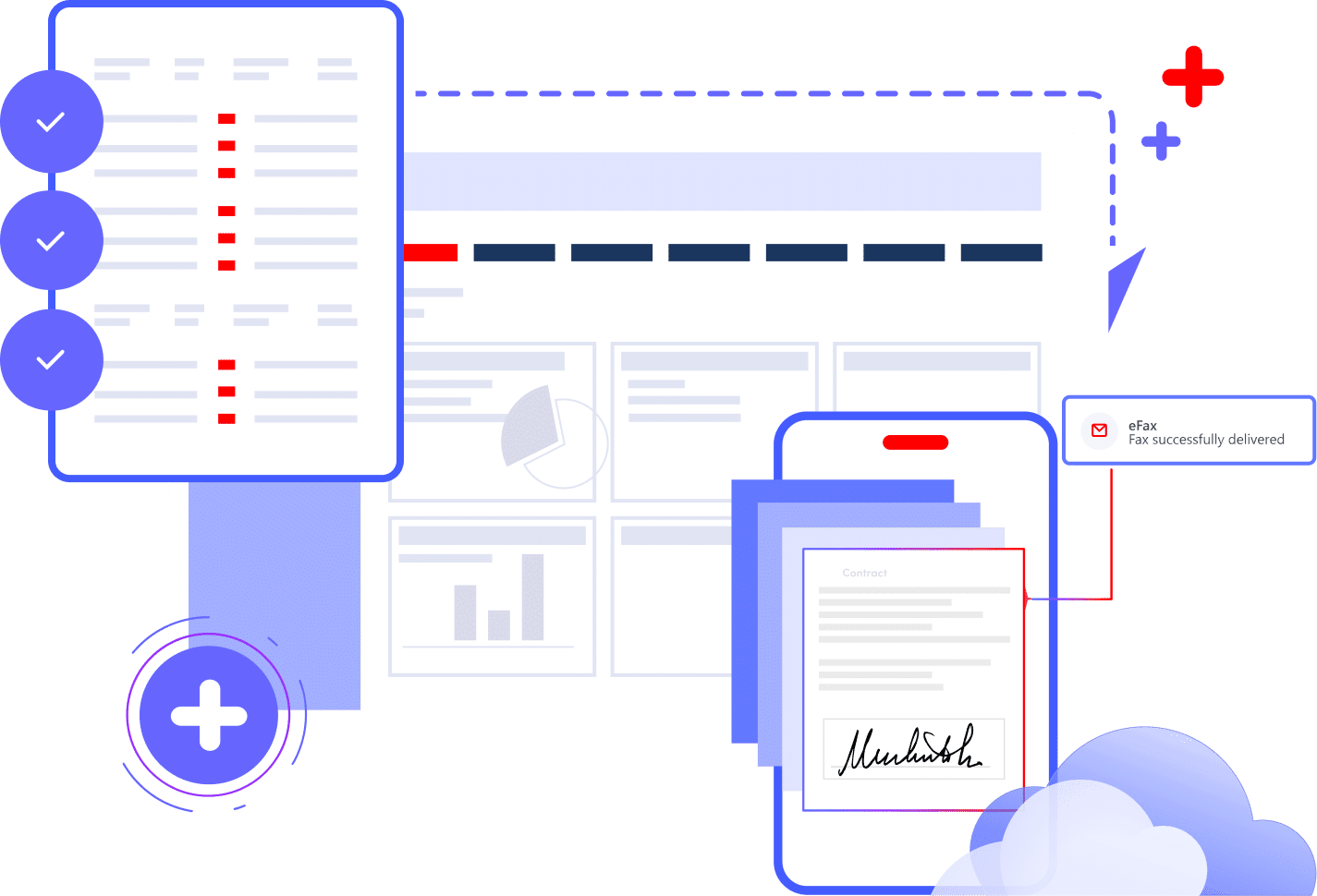
The platform provides centralized administration, giving organizations greater control over users, fax numbers and the broader fax environment.
Corporate customers can also access customized configurations and dedicated account management.
That becomes increasingly valuable when faxing isn't simply an individual task but an organization-wide communication function.
Instead of separate machines, numbers and processes developing independently across offices or departments, businesses can bring more of that activity into a centralized environment.
And because eFax Corporate is built around customized enterprise requirements, organizations can discuss a deployment based on their particular volume, integration and operational needs rather than relying entirely on a fixed consumer-style package.
How eFax Supports Small and Growing Businesses
What I also found useful about the eFax lineup is that businesses don't necessarily need enterprise-level requirements to use the platform.
eFax Business provides a middle ground between the individual Personal offering and the more customized Corporate platform.
The Business plan is designed for teams and includes multiple user licenses, centralized administration, role permissions and a dedicated fax number, with options to expand users and fax numbers as requirements grow.
It also brings business-oriented security capabilities into an offering that is more accessible to smaller organizations.
That creates a more logical progression across the eFax brand.
A small company that simply needs several employees to send and receive business faxes doesn't necessarily require a customized enterprise deployment.
At the other end of the spectrum, a larger organization requiring APIs, extensive integrations, higher volumes or more sophisticated compliance and workflow capabilities can move toward eFax Corporate.
That range makes eFax relevant to more than one type of business customer.
Why Fax Still Matters in Modern Business Communications
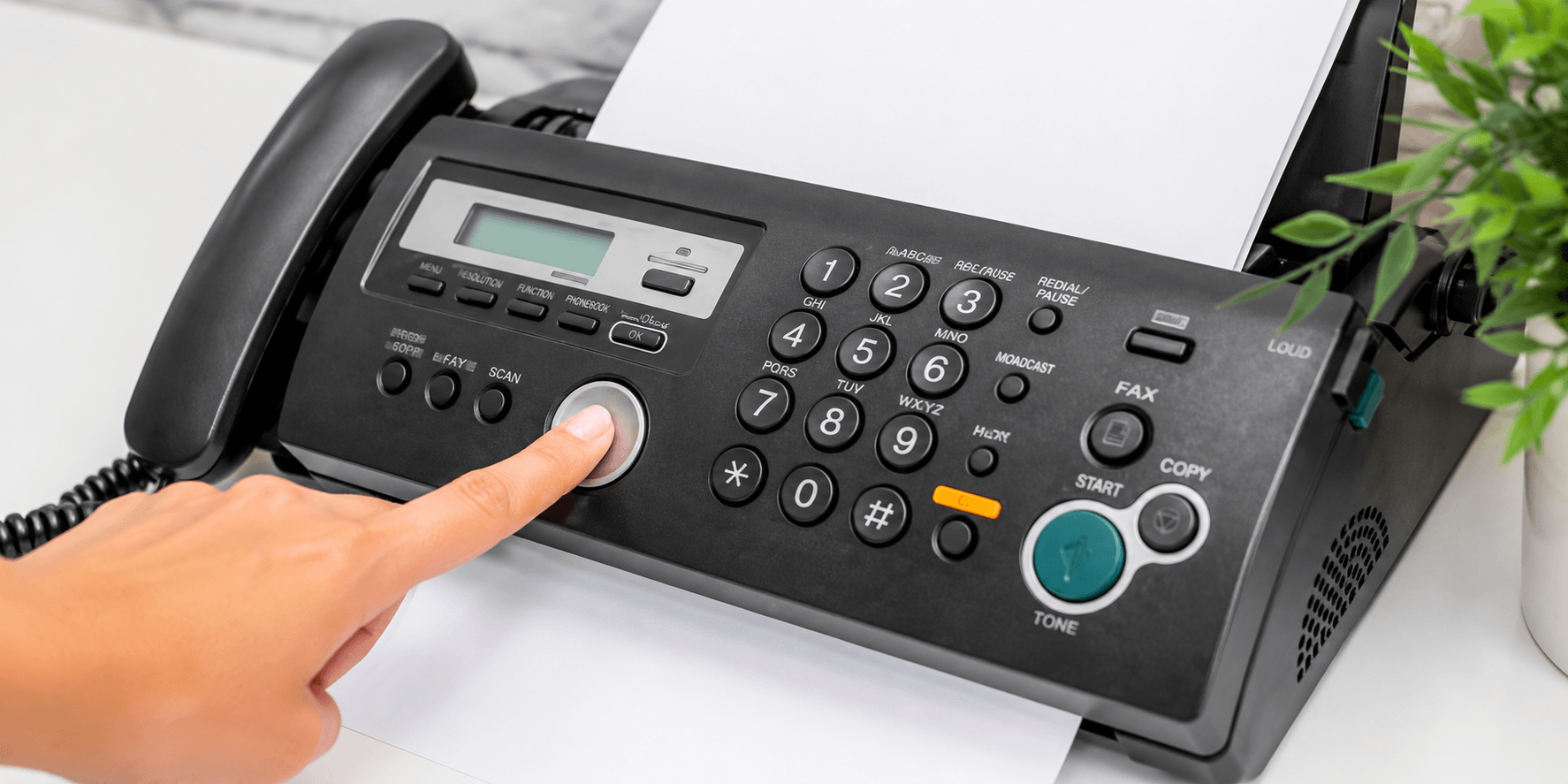
The most interesting question surrounding eFax in 2026 might actually be the simplest:
Why are businesses still faxing at all?
The answer is that fax remains embedded in the workflows of several industries.
Healthcare, financial services, legal organizations, government agencies and other businesses can still encounter systems and counterparties where fax communication remains part of everyday document exchange.
That doesn't mean the technology surrounding fax has to remain stuck in the past.
This is where I think the eFax model makes sense.
Organizations can continue communicating with fax-dependent systems while reducing their reliance on physical machines, paper, toner, dedicated hardware and location-specific workflows.
The underlying communication method remains compatible with traditional fax.
The experience surrounding it becomes digital.
Final Verdict: Where eFax Fits in Modern Business Communications
After looking closely at the eFax business offering in 2026, I don't think the brand is best understood as simply an online replacement for the traditional fax machine.
Fax remains the foundation, but the wider platform now reaches into cloud communications, enterprise integrations, APIs, centralized administration, security, compliance, document management and healthcare interoperability.
The structure of the offering is important too.
eFax Business provides a team-oriented option for smaller and growing organizations, while eFax Corporate addresses more complex enterprise requirements with greater customization, integration and administrative capabilities.
Healthcare products such as eFax Unite and eFax Clarity push the brand further into secure information exchange and document intelligence.
For businesses that no longer use fax, none of this creates a reason to introduce it unnecessarily.
But for organizations operating in industries where fax remains part of how important information moves, eFax offers a way to keep that compatibility while modernizing much of the infrastructure around it.
And that is ultimately where I think the eFax business proposition is strongest in 2026.
The brand isn't trying to make traditional faxing feel new. It is building a more modern way for businesses to manage the communications and information that still depend on it.