
Most news apps are designed to answer one question:
What should I read next?
But after looking through Ground News, I found myself asking a different one:
What am I not seeing?
That difference is what made Ground News interesting to me.
Ground News isn't a traditional news publisher. Instead, it brings reporting from more than 50,000 news sources together and groups articles covering the same event into one story. The company says it currently processes nearly 60,000 articles every day.
That means I'm not necessarily looking at one publication's version of an event. I can step back and see how different publications are covering it, which outlets are paying attention and where the coverage differs.
In 2026, that feels like a very different way to follow the news.
One Story, Multiple Perspectives: How Ground News Groups the Coverage
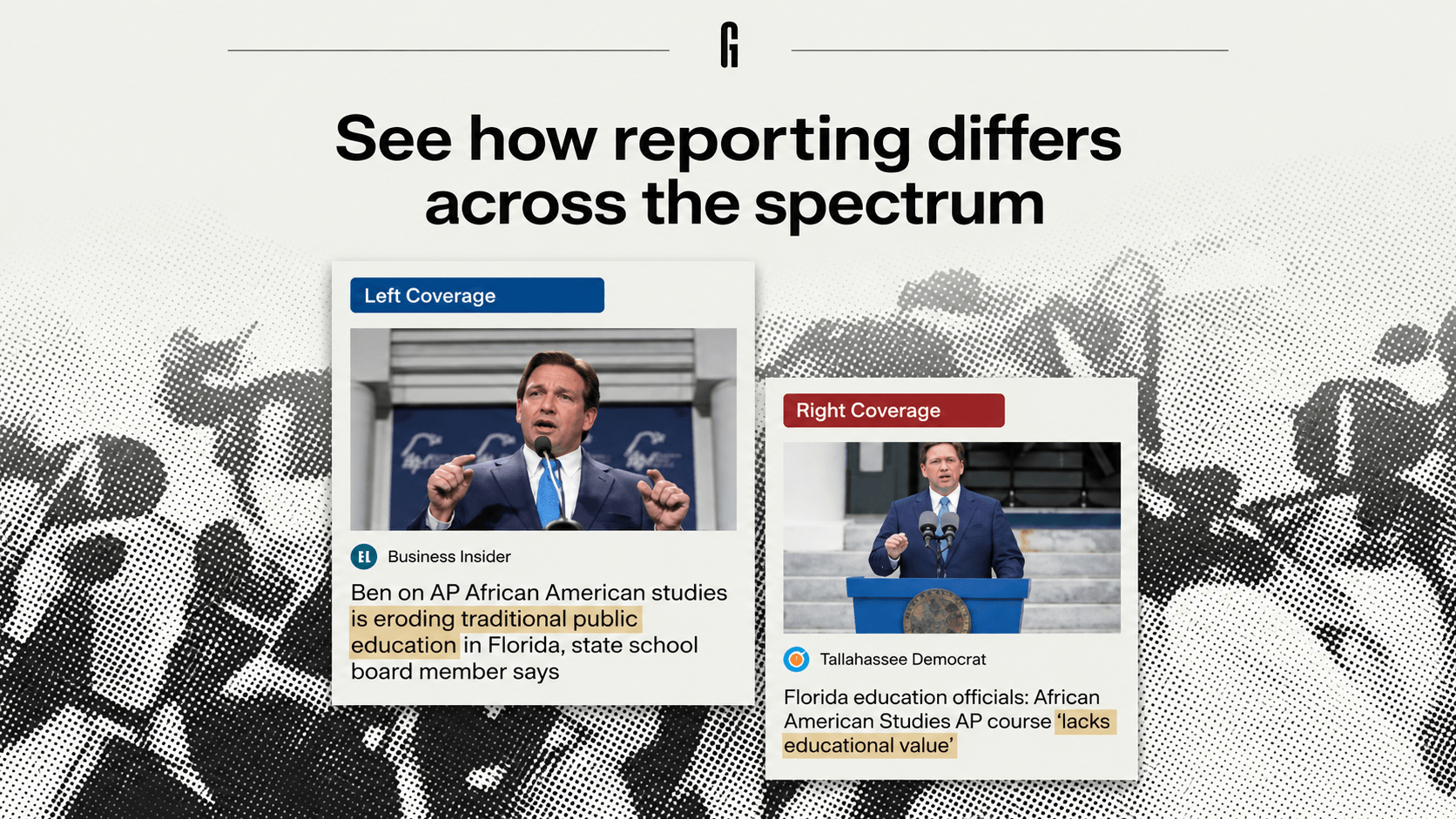
This was the first thing that made Ground News click for me.
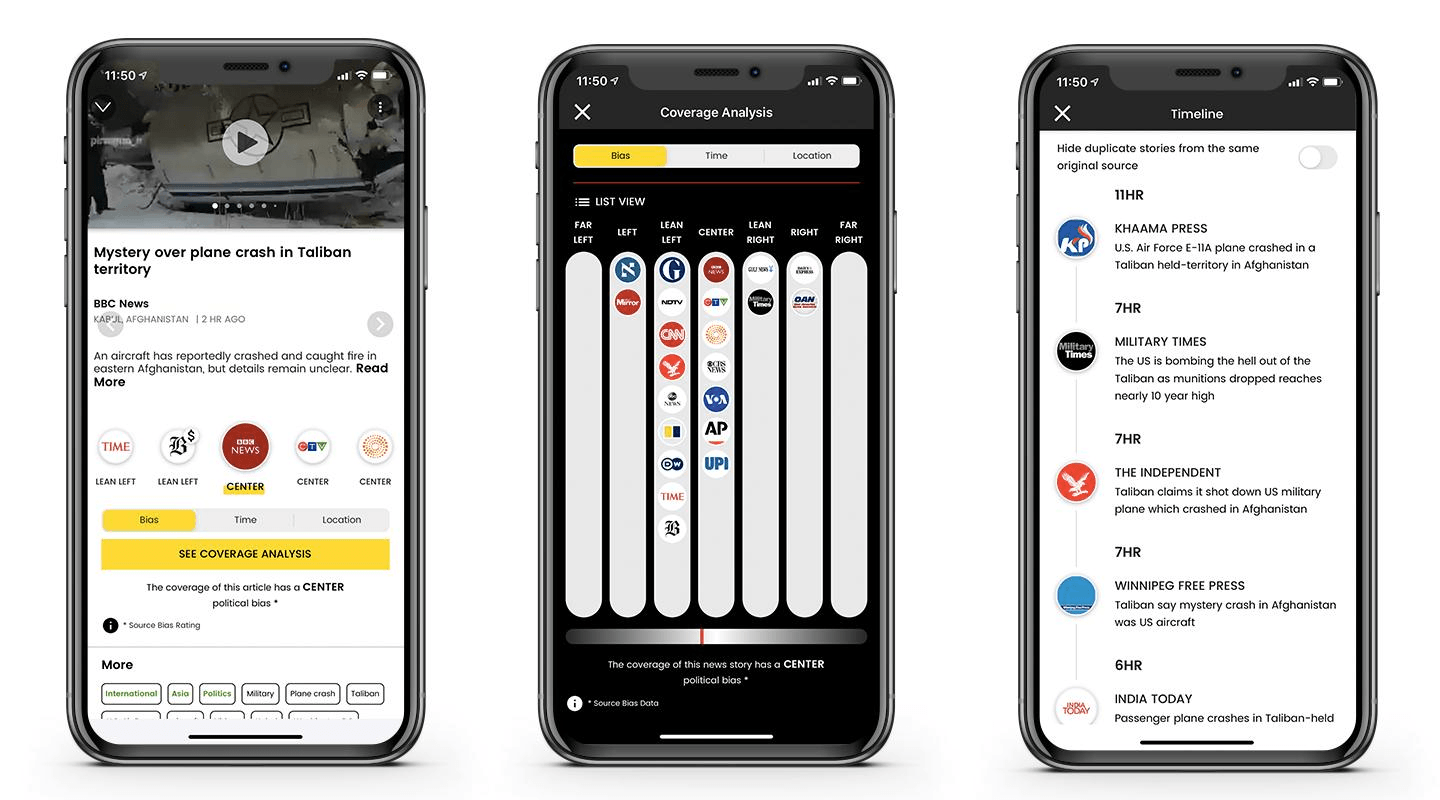
When multiple publications report on the same event, Ground News groups those articles together into a single story. Its story pages can then provide information about the sources covering it, including political-bias ratings, factuality, ownership, location and chronology.
Instead of opening one headline and moving on, I can compare multiple publications covering the same underlying event.
And the differences can become pretty noticeable.
One publication might emphasize the political implications. Another might focus on economic consequences. Another could lead with comments from a particular person involved.
Ground News isn't telling me which perspective I should agree with.
Instead, it gives me a way to see that different editorial decisions were made in the first place.
For me, that's the foundation of the platform.
The Bias Bar Shows Me Who's Covering the Story
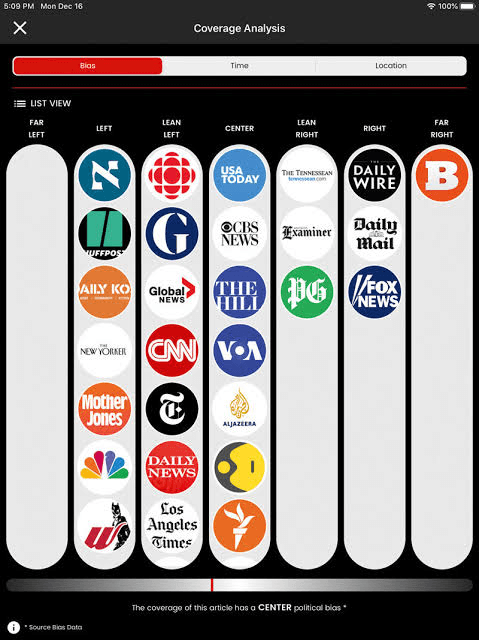
One of Ground News's most recognizable features is its Bias Bar.
For an individual story, it visually breaks down how coverage is distributed among sources categorized as:
Left • Center • Right
There's an important distinction here.
The Bias Bar describes the political-bias distribution of the publications covering a story. It isn't a political rating assigned to the event itself.
Ground News says its publication-level bias ratings use assessments from AllSides, Ad Fontes Media and Media Bias Fact Check.
Its methodology also states that these assessments are made in the context of the U.S. political system and don't measure the bias of individual articles.
That limitation matters to me.
A label attached to a publication can't tell me everything about a particular journalist, headline or article.
But it does give me another piece of context before I decide what else I want to read.
Blindspot Reveals Stories One Side May Be Missing
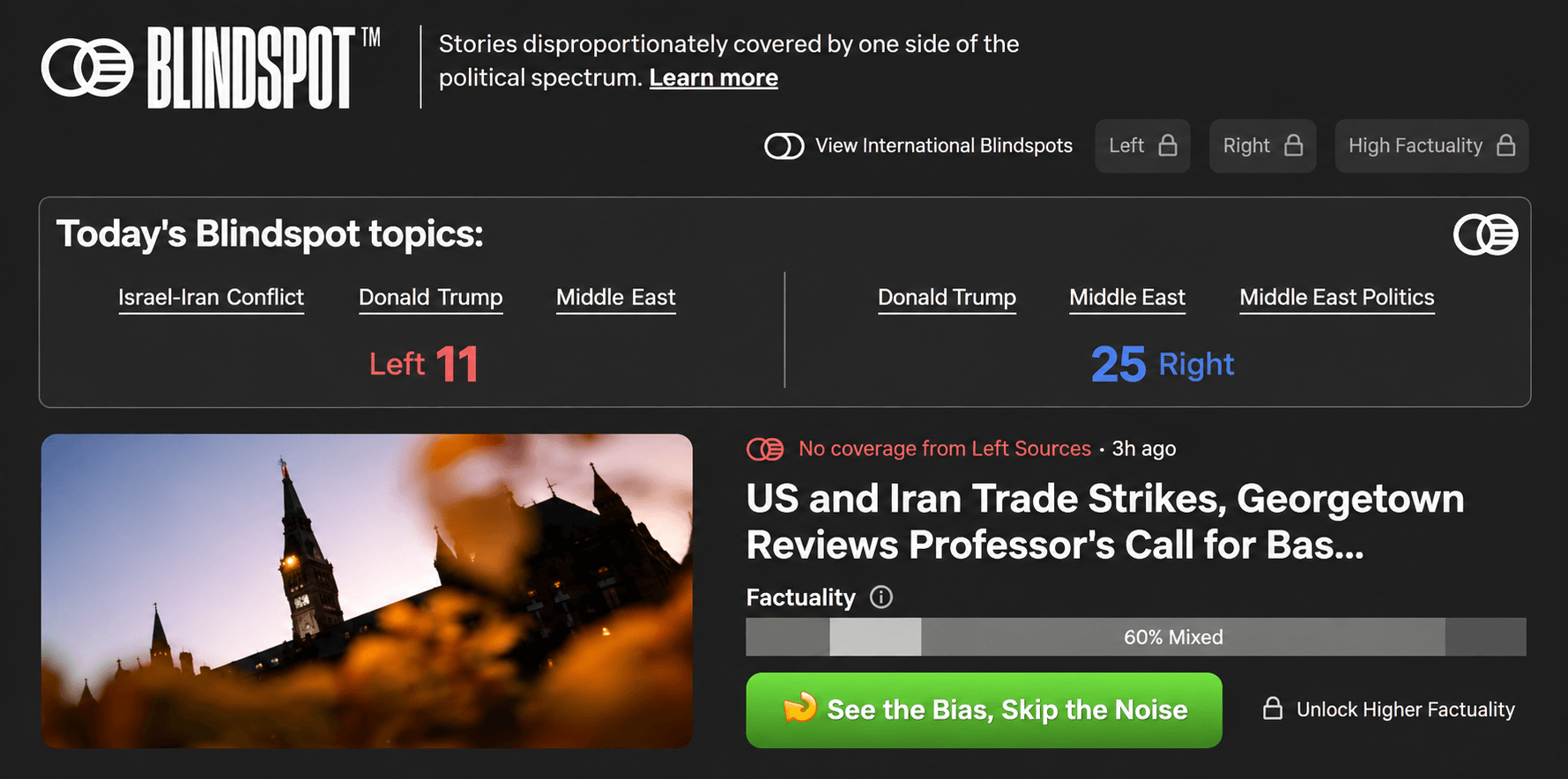
This might be the Ground News feature I found most interesting.
Its Blindspot feed identifies stories with political undertones that are receiving disproportionately more coverage from one side of the political spectrum than another.
Ground News uses specific coverage thresholds to determine which stories qualify rather than simply treating every unevenly covered story as a Blindspot.
That changes the question from:
“How are different outlets covering this?”
to:
“Which outlets aren't covering this very much?”
I think that's an important distinction because differences in news coverage aren't always about two publications describing the same event differently.
Sometimes the difference is whether an event receives much attention from a particular part of the media landscape at all.
Ground News makes those coverage gaps much easier for me to notice.
Factuality Goes Beyond the Left, Center and Right Labels
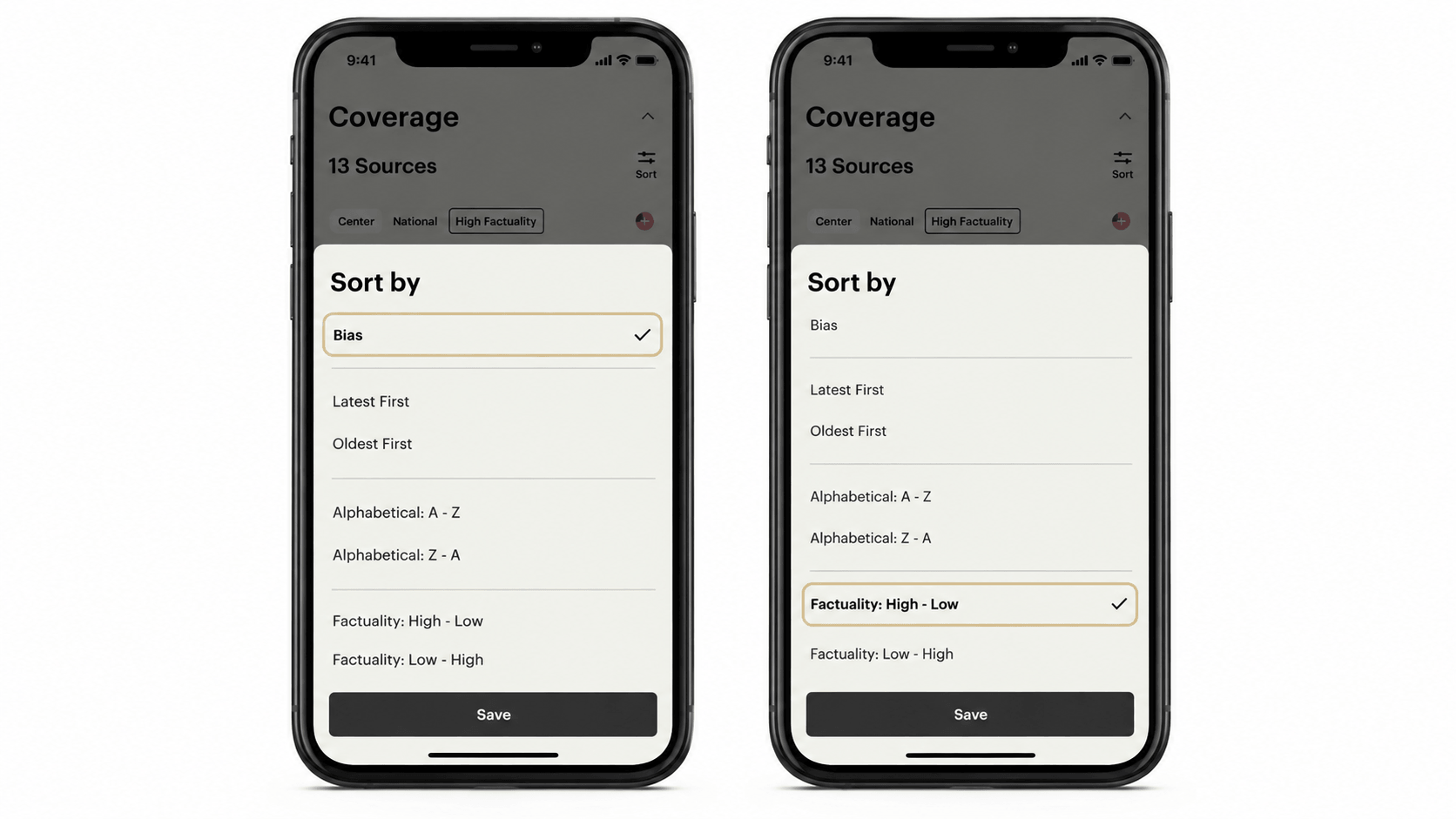
Something else I appreciated was that Ground News doesn't treat political bias and factuality as the same measurement.
Its Factuality Score uses assessments from Ad Fontes Media and Media Bias Fact Check and is designed to provide context about a publication's overall reporting practices.
According to Ground News, factors used by those rating systems include areas such as credible sourcing, corrections and whether reporting provides appropriate context.
But once again, there's an important limitation.
The score applies to the publication as a whole, not automatically to every article it publishes.
So I wouldn't look at a factuality rating and assume it settles whether every claim in an individual story is accurate.
Instead, I see it as another piece of context to consider alongside the reporting itself.
Ground News Also Shows Me Who Owns the News Source
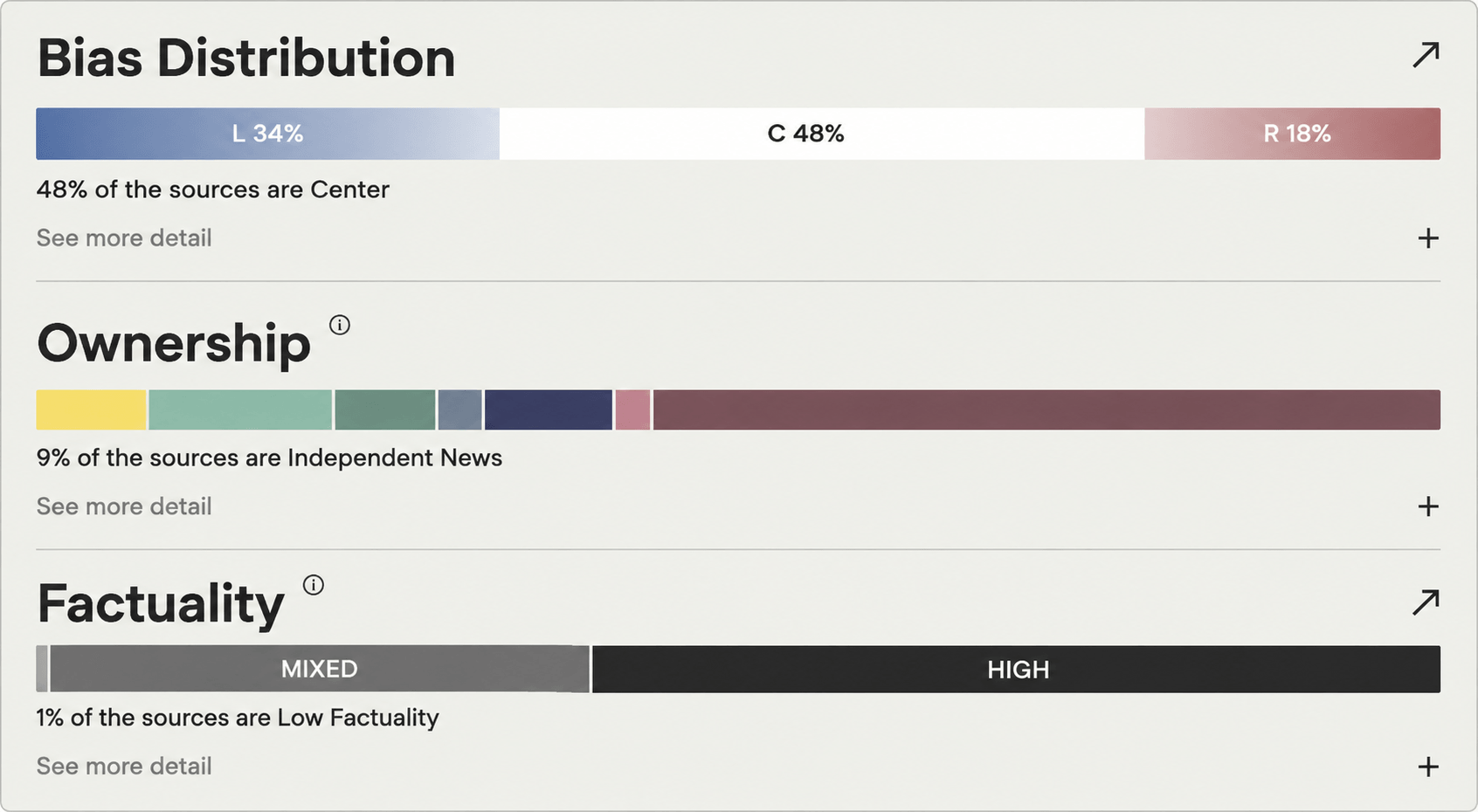
Ground News adds another layer I don't usually see sitting next to a headline:
ownership information.
The company says it has researched, analyzed and hand-coded ownership information for more than 2,276 news outlets, with categories covering different types of ownership structures.
I wouldn't look at an ownership category and assume it explains why an outlet covered a story in a particular way.
But I do think knowing who ultimately owns a publication can be useful background information.
Normally, I'd have to leave the story and research that separately.
Ground News brings that context directly into the news-comparison experience.
My News Bias Turns the Lens Back on My Own Reading Habits
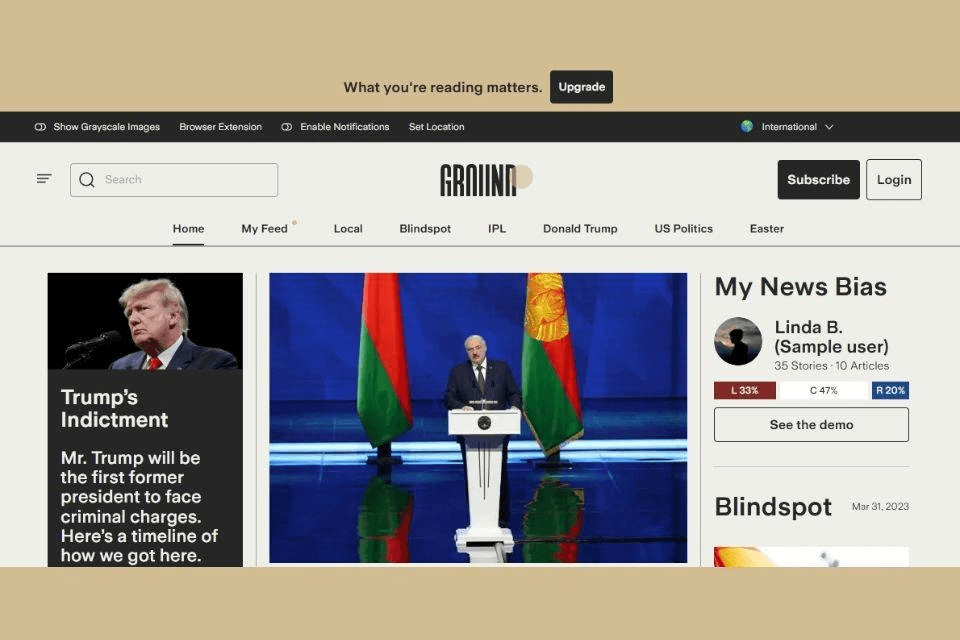
This is where Ground News became more personal than I expected.
It doesn't only analyze the publications appearing around a story.
Its My News Bias dashboard is designed to help users examine patterns in their own news consumption.
Depending on the available features, that can include insights related to:
Top Sources • Article Bias • Factuality • Blindspot Consumption • Favorite Topics
I find the concept particularly interesting.
It's easy for me to notice the political positioning of a publication I don't normally read.
It's harder to notice patterns in what I repeatedly choose to read myself.
Rather than deciding what my views should be, these tools give me more information about the mix of coverage I'm actually consuming.
My Feed Is Personalized — But Ground News Makes That Distinction Clear
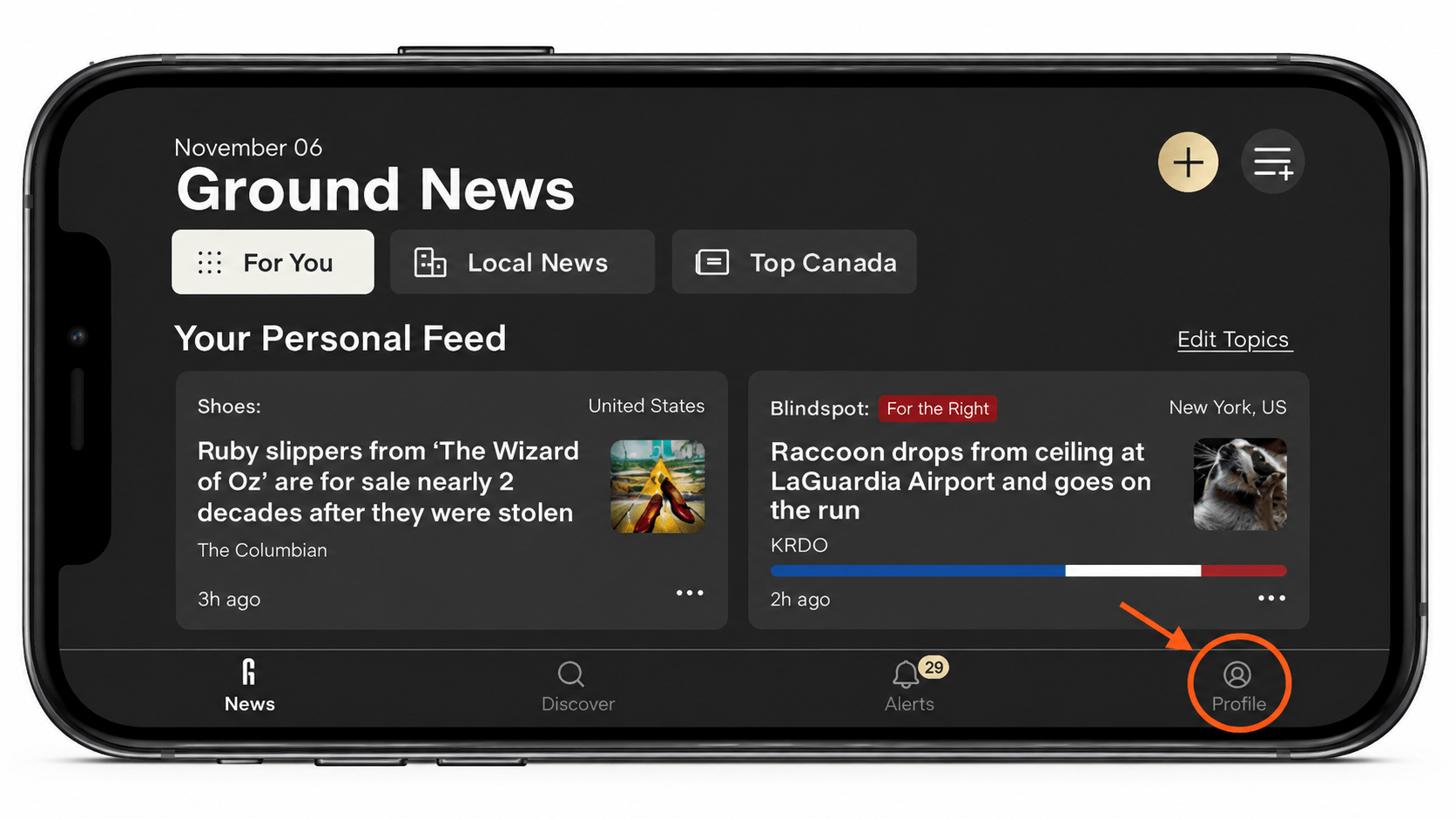
One thing I wanted to understand was whether Ground News completely removes algorithms from the news experience.
It doesn't.
Users within the same selected edition can see the same Top Stories, while personalized areas can reflect the topics and sources a user follows and aspects of their reading activity.
So I wouldn't describe Ground News as completely algorithm-free.
There is still personalization.
What I find more interesting is the separation between a broadly shared Top Stories experience and areas users intentionally personalize around their interests.
That's a more nuanced approach than simply saying algorithms have disappeared.
What I Actually Get With Free and Paid Ground News
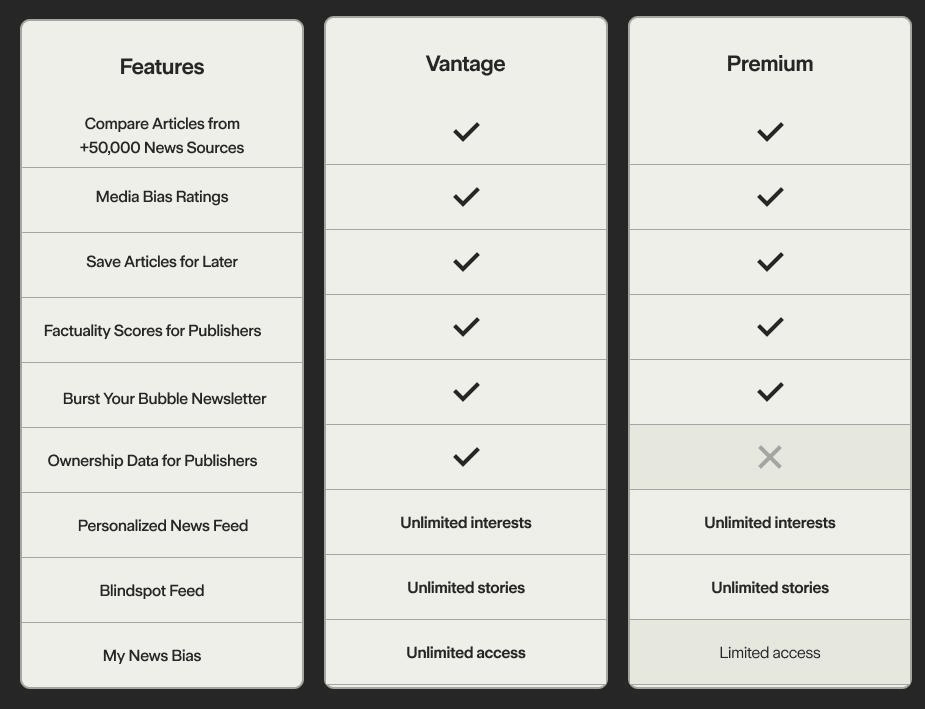
Ground News can be used without a paid subscription, including basic news-source comparison.
But some of the features that make the platform distinctive sit behind its subscriptions.
In 2026, Ground News offers different membership levels, with additional features available across its paid plans.
Depending on the plan, those tools can include:
Article Comparisons • Blindspot Feed • Factuality Data • Ownership Information • My News Bias Insights
Its higher-level plans provide access to more of the media-analysis tools that distinguish Ground News from a conventional news aggregator.
Subscription pricing and included features can change, so I would check the current plan details before subscribing.
For me, the important distinction is that I can understand the basic Ground News concept without paying, while its deeper media-analysis tools form a significant part of the subscription experience.
Why I Treat the Ratings as Context, Not a Final Verdict
This is probably the biggest limitation I'd keep in mind.
Once I can see a bias rating, factuality score and ownership information beside a publication, it would be easy to start using those labels as shortcuts.
But Ground News's own methodology shows why that would be too simplistic.
Its political-bias and factuality ratings generally describe publications rather than individual articles.
That's why I see these ratings as additional context rather than final judgments.
I still need to read the article.
I still need to examine the evidence and sourcing.
And I still need to form my own view of how convincing the reporting is.
Ground News can provide more information around that decision, but it doesn't need to make the decision for me.
The Final Take on Ground News in 2026
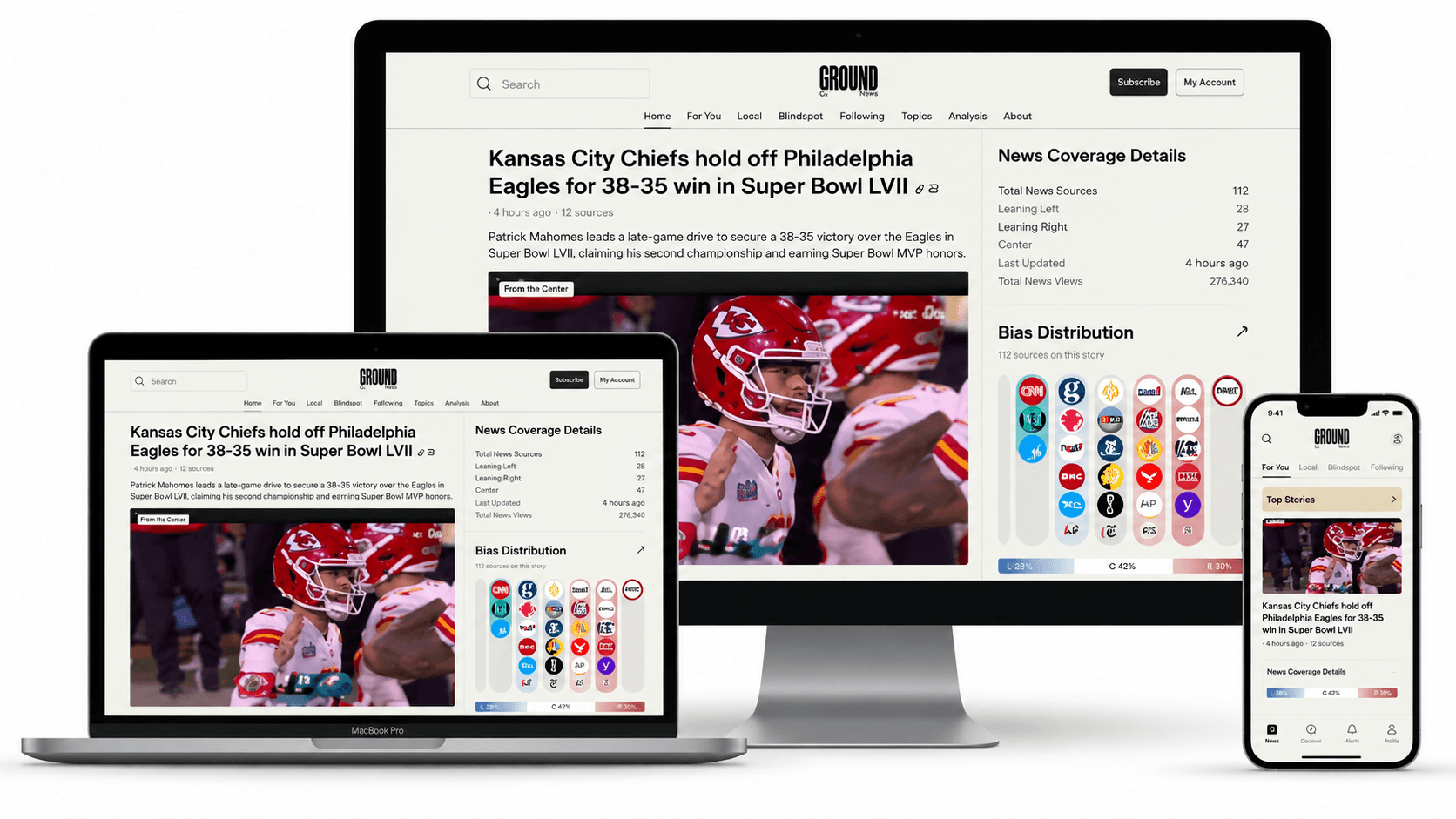
After looking through Ground News, I don't think its most interesting feature is simply putting publications into Left, Center and Right categories.
It's the way the platform makes the structure surrounding a news story more visible.
Who Covered It • Who Didn't • How Coverage Is Distributed • Source Factuality • Who Owns the Outlet • What My Own Reading Habits Look Like
Ground News doesn't produce the original reporting behind those stories, and its source ratings have limitations that are important to understand.
But that's also what makes the concept different from another conventional news feed.
Instead of trying to become the one publication I rely on, Ground News gives me a way to compare the publications already reporting on the world.
In 2026, when the same event can generate very different collections of headlines and coverage across the media landscape, I find that ability to compare particularly interesting.
Ground News doesn't remove the work of deciding what I believe. It gives me more context before I make that decision.