
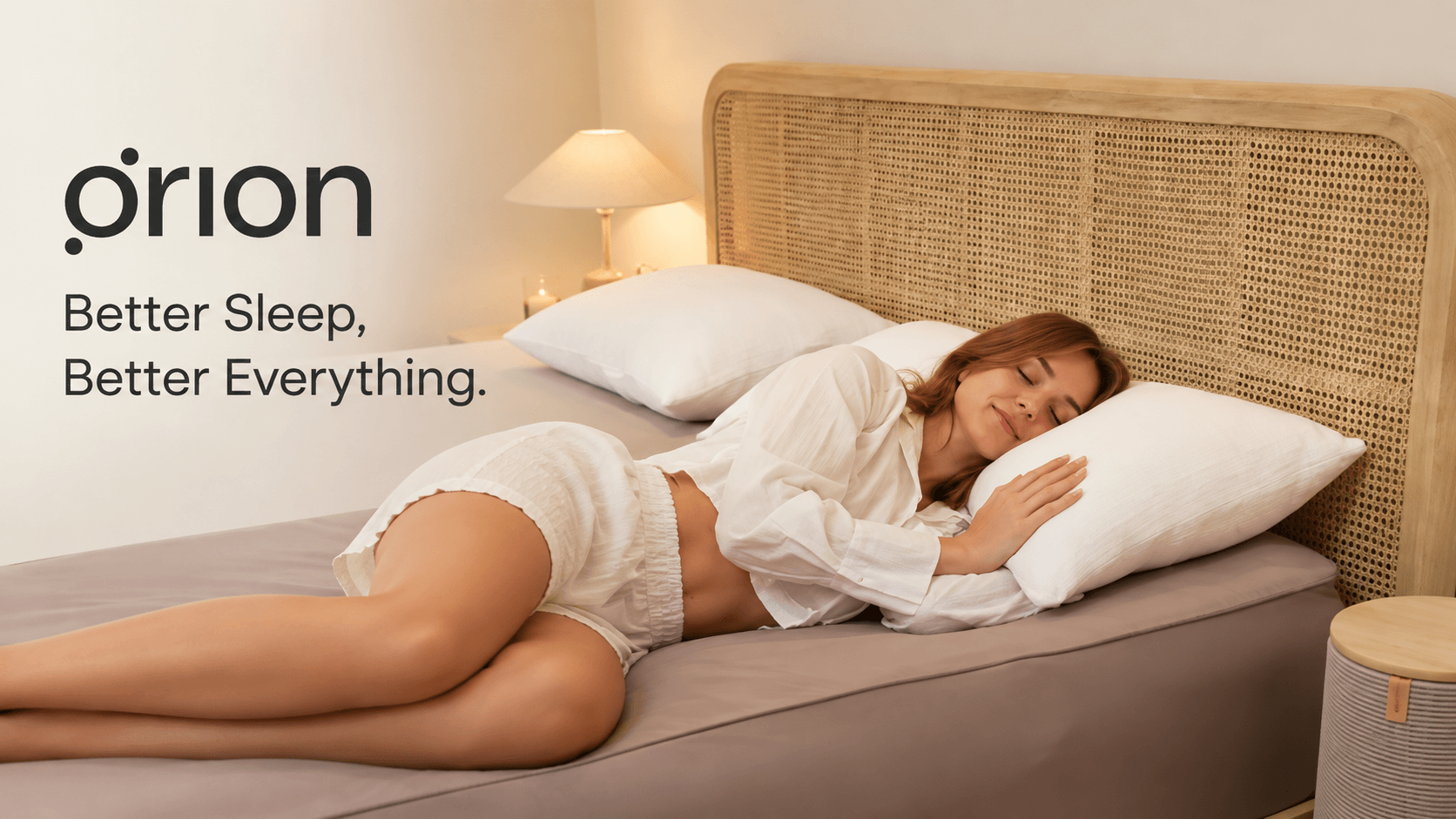
When I first came across Orion, the easiest way to describe it seemed obvious: a temperature-controlled mattress cover.
Technically, that’s true. But it also undersells what Orion has built.
The Orion Sleep System takes something as ordinary as a mattress cover and turns it into a much more sophisticated piece of sleep technology. It can actively cool or warm the bed, create different temperatures on each side, track overnight sleep patterns, and adjust the experience around the person sleeping on it.
And heading into October, November, and December 2026, I think the heating side of that equation becomes particularly interesting. This isn’t simply a cooling product designed for hot summer nights. Orion is positioning its mattress cover as something that can change with the sleeper—and with the seasons.
The Mattress Cover Is Doing Much More Than Changing How the Bed Feels

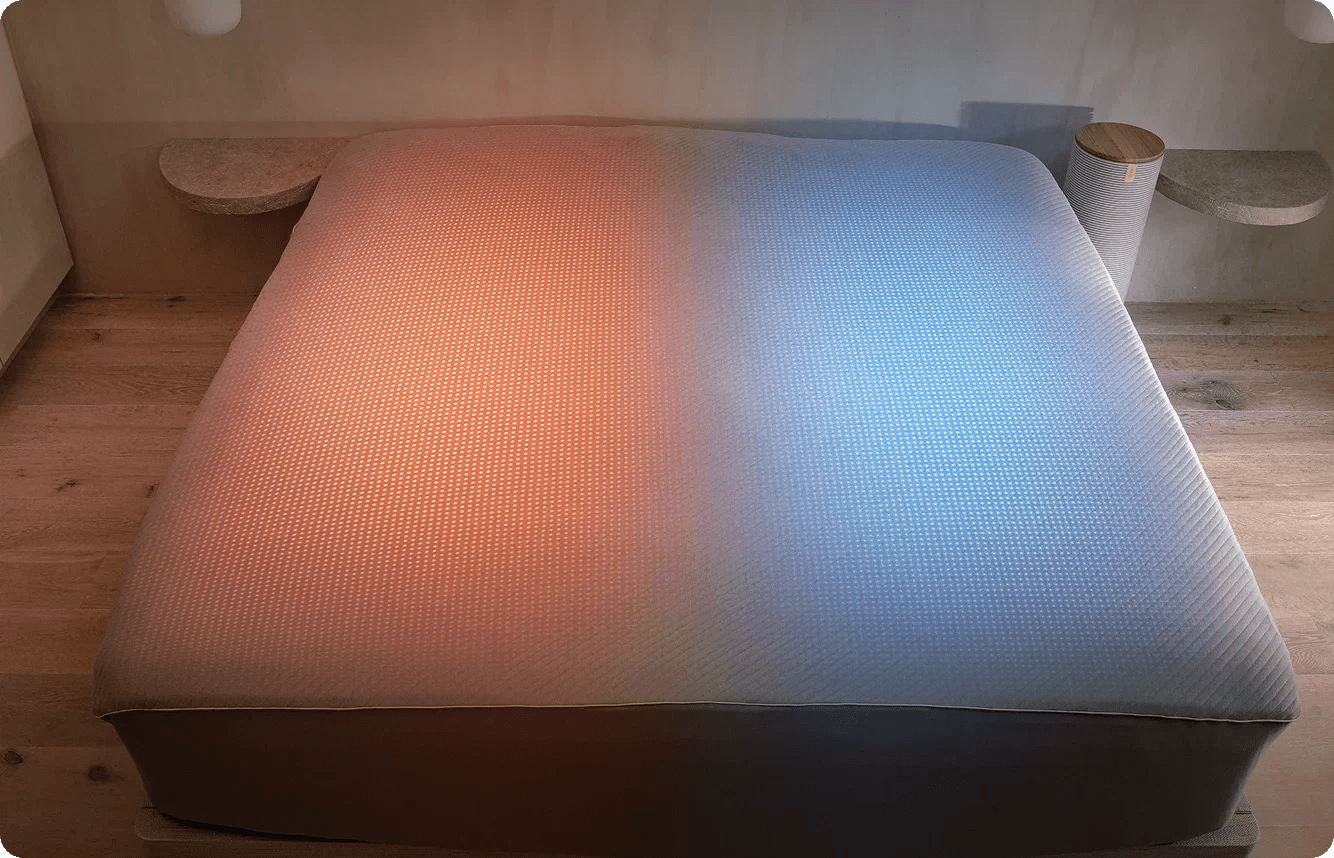
The heart of Orion is its smart mattress cover. Instead of relying on breathable fabric or cooling foam to passively manage heat, the system circulates temperature-controlled water through the cover itself.
That gives Orion much more direct control over the sleep environment. Its current system can operate across a temperature range of roughly 50°F to 113°F, allowing the bed to be actively cooled or warmed depending on the settings and temperature schedule being used.
That distinction is important. Plenty of mattress covers promise to feel cooler or more breathable. Orion is actually trying to control the temperature of the sleeping surface throughout the night.
For me, that's where the product starts becoming much more interesting than a conventional mattress topper or protector.
The Temperature of the Cover Can Change While You’re Sleeping
I initially assumed I'd choose a temperature before bed and leave it there until morning.
Orion goes further than that.
The mattress cover can follow a personalized temperature schedule, allowing its temperature to change during different parts of the night rather than remaining fixed for eight hours.
That makes sense when I think about what Orion is trying to accomplish. The goal isn't simply to create the coldest possible bed. It's to build a sleep environment around an individual's temperature preferences and overnight patterns.
The result is a mattress cover that behaves less like ordinary bedding and more like an active sleep system running underneath the sheets.
Two People Can Share the Mattress Without Sharing the Same Temperature
This might be one of the most immediately useful parts of Orion.
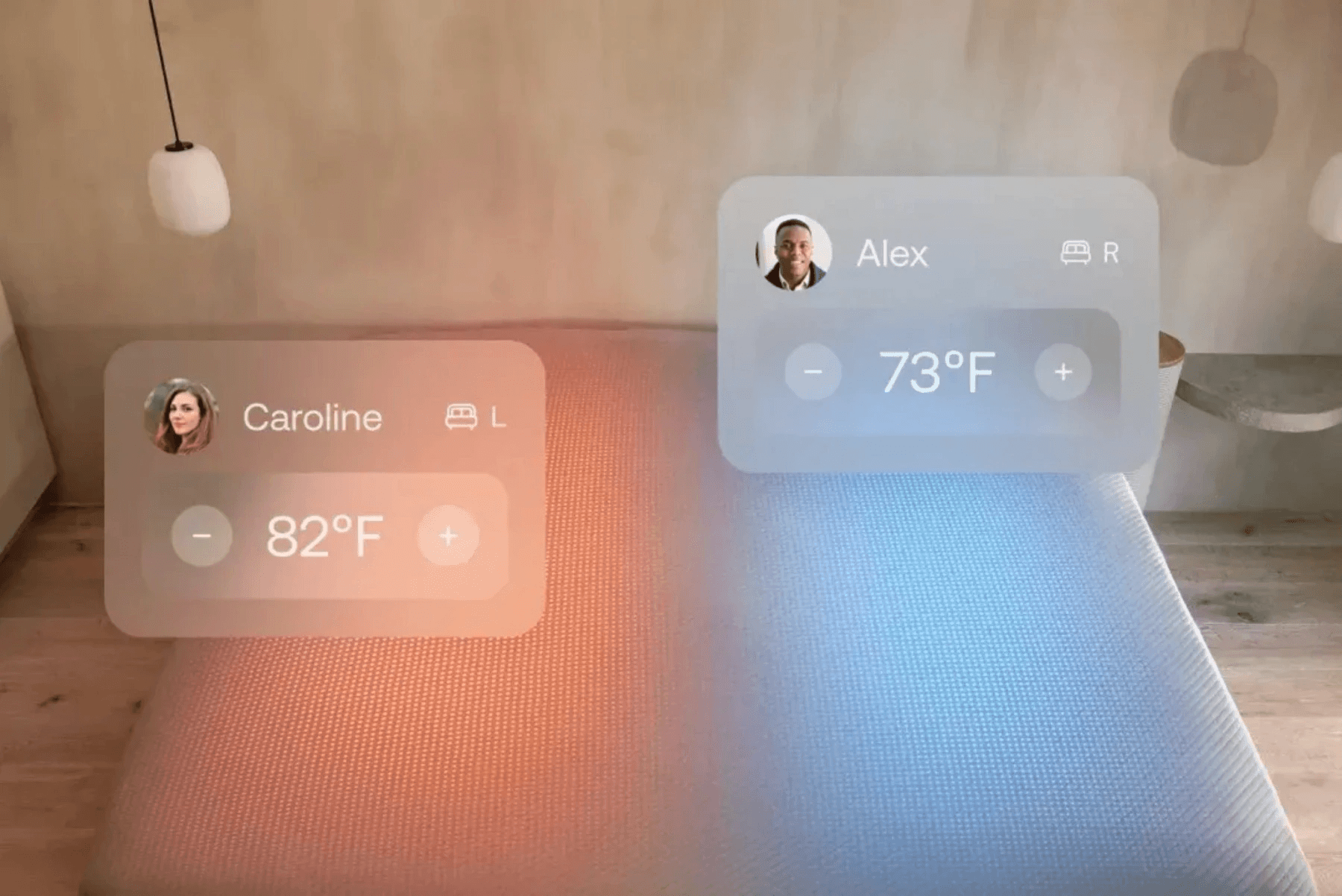
The mattress cover supports dual-zone temperature control, so each side of the bed can operate independently. One person can keep their side warmer while the other keeps theirs cooler.
That becomes especially relevant heading into the colder months of October, November, and December. Couples don't necessarily experience nighttime temperatures the same way, and changing the thermostat affects the entire room.
Orion moves that temperature control directly into the bed.
Instead of debating whether the bedroom should be warmer or colder, each person can create a different environment on their own side of the mattress.
Orion Tries to Learn About Your Sleep Before Personalizing the Cover
The mattress cover may be the main product, but Orion has built an interesting process around setting it up.
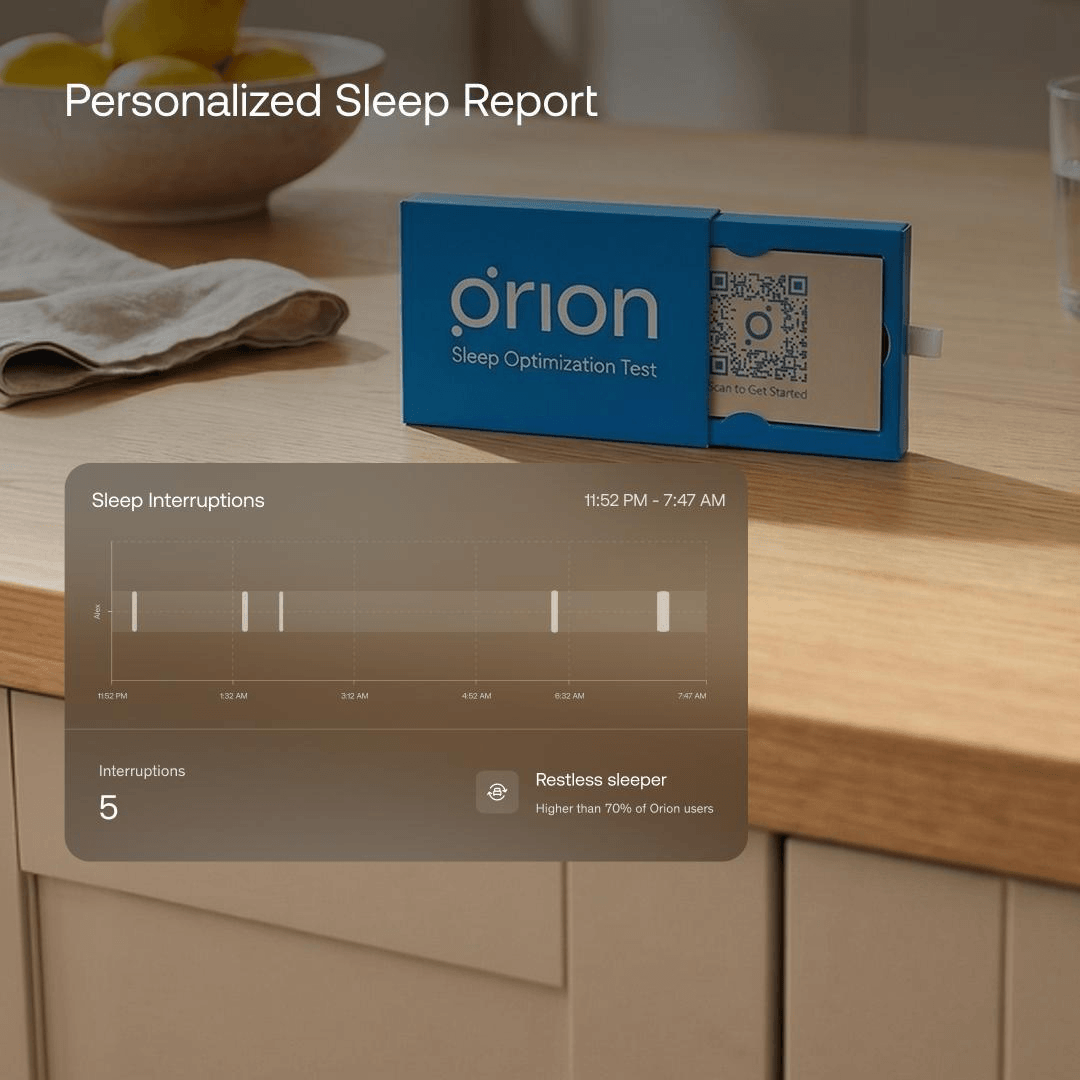
The company offers an at-home Sleep Disruption Test that uses a small sensor patch to monitor an overnight sleep session. Orion then generates a personalized report showing information such as temperature changes and sleep interruptions.
A Sleep Advisor can review those findings with the customer, and Orion says the information can help establish a personalized temperature profile for the Sleep System.
I like this part of the concept because it changes the starting point.
Rather than buying a temperature-controlled mattress cover and randomly experimenting with settings, Orion is trying to use actual overnight information to help personalize how the cover behaves.
There’s Sleep-Tracking Technology Built Directly Into the Cover
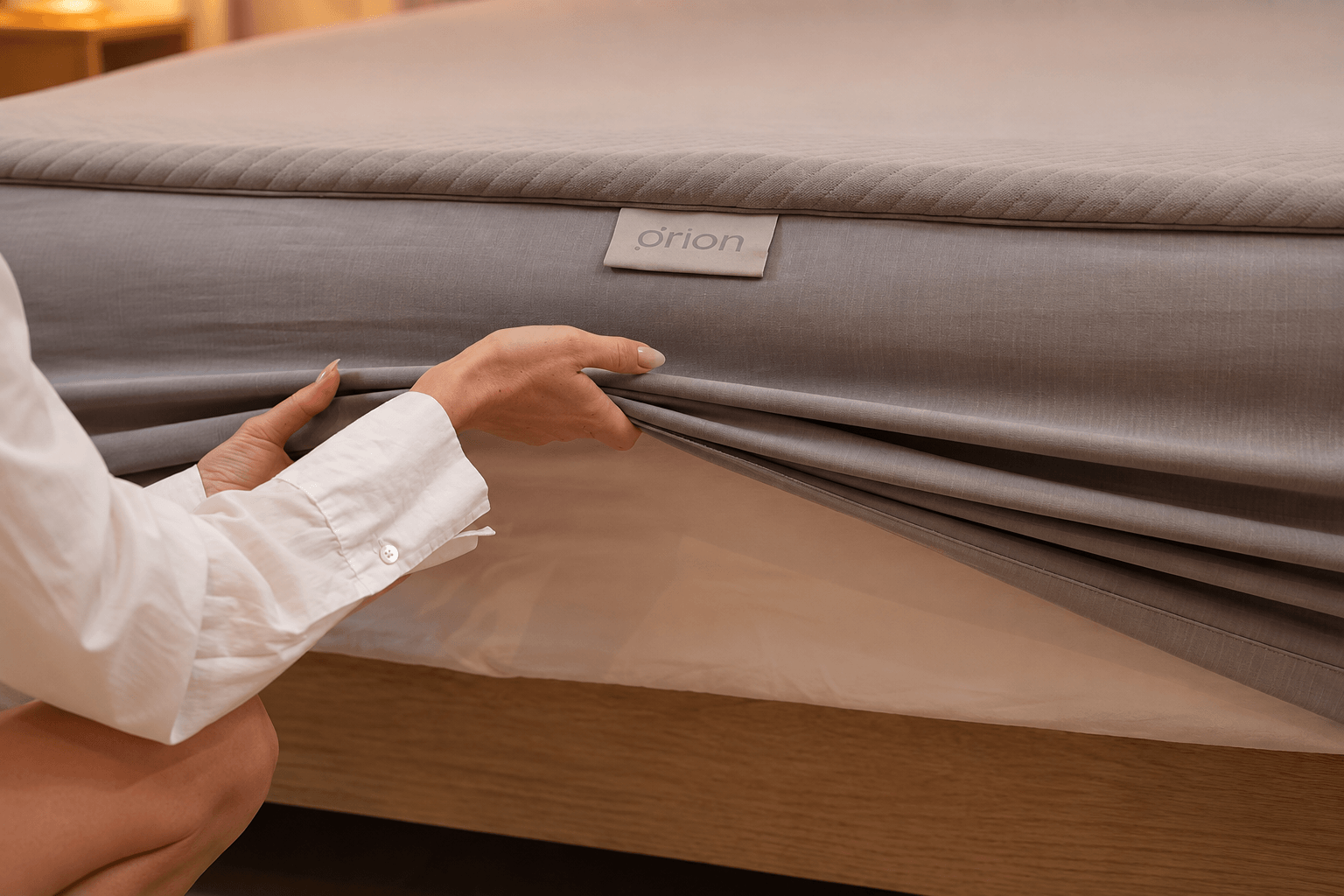
Once the Orion mattress cover is on the bed, the tracking doesn't necessarily stop.
The cover incorporates sensors designed to collect information about overnight patterns and biometrics such as heart rate, heart-rate variability, breathing rate, movement, and sleep patterns.
That information becomes part of Orion's broader software experience.
So while I might initially buy the system because I want a warmer or cooler bed, the product is also designed to give me a better picture of what happens throughout the night.
It's an interesting combination: the same mattress cover that changes the sleep environment can also help track how the person is sleeping within that environment.
The App Turns the Mattress Cover Into a Connected Sleep System
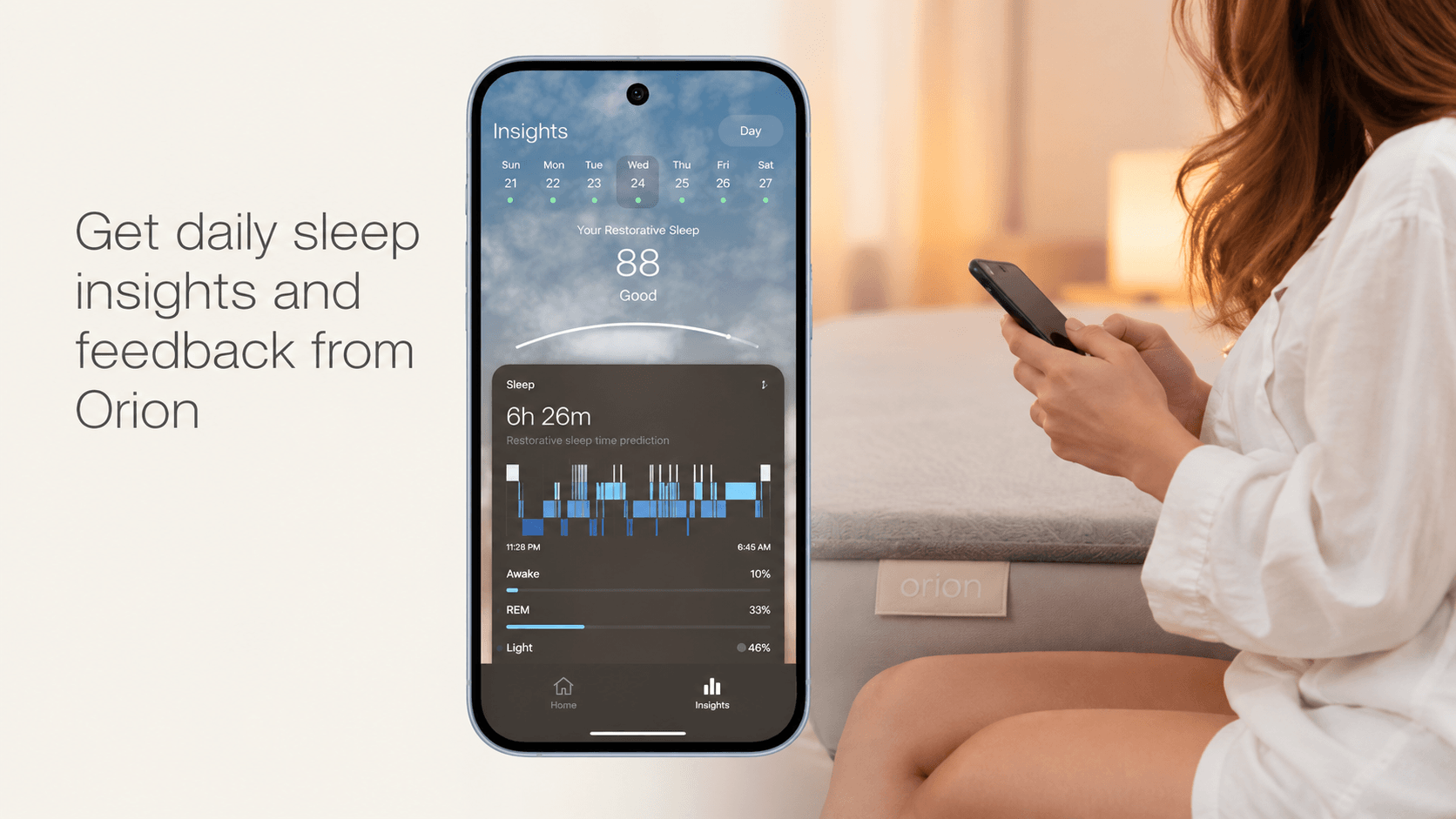
Without the software, Orion could essentially be viewed as a sophisticated temperature-controlled piece of bedding.
The app changes that.
Orion's software provides access to sleep information, temperature controls, personalized schedules, and other insights connected to the system. Certain advanced features are tied to the company's Orion Intelligence offering.
That creates a relationship between the physical mattress cover and the digital side of the product.
The cover controls the environment. The sensors collect information. The app gives the sleeper a way to understand and manage the experience.
That combination is what makes Orion feel more like connected sleep technology than premium bedding.
New 2026 Data Gives Orion’s Temperature Approach More Context
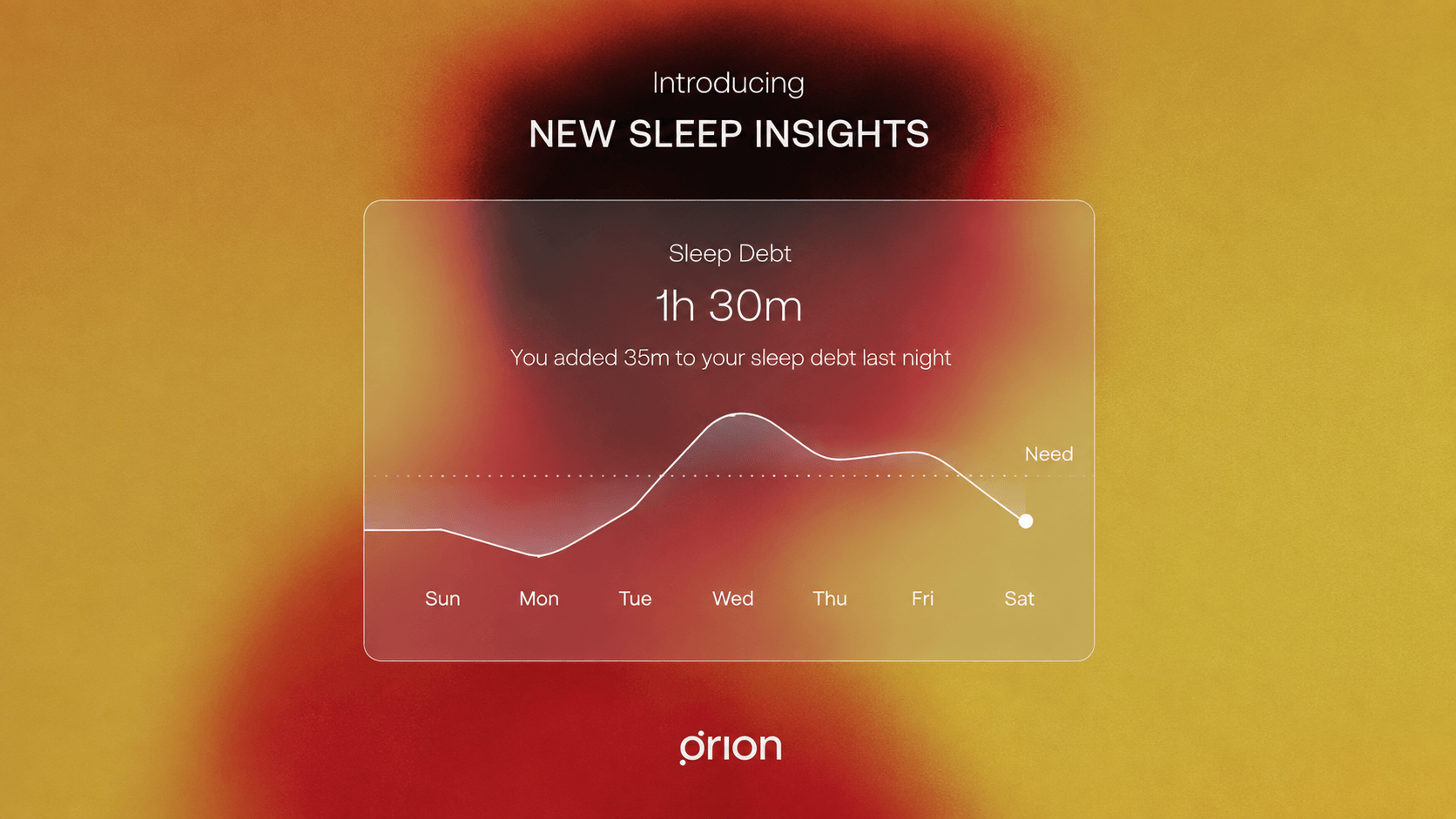
Orion also has some relatively fresh data to point to as we head into the final months of 2026.
In August, the company published a before-and-after analysis involving 171 users and 2,394 nights of wearable data. The analysis compared seven nights before participants began using Orion with their first seven nights using the system.
Across the full group, average total sleep time increased from 410.3 minutes to 417.6 minutes. Orion also reported that among a subgroup of 43 participants who had more difficulty staying asleep at baseline, time awake after initially falling asleep decreased by 16.3 minutes during the first week.
There are important limitations here. This was a within-subject before-and-after analysis rather than a randomized controlled clinical trial, and the findings were published by Orion.
Still, it gives the temperature-controlled mattress cover a more interesting 2026 story than simply relying on claims about how cool or comfortable the bed feels.
Fall and Winter Might Actually Show Off Orion’s Versatility Best
Cooling is naturally one of the easiest features to market in a temperature-controlled mattress cover.
But heading into late 2026, I think Orion's ability to warm the mattress deserves just as much attention.
During colder nights, the system can warm the sleeping surface rather than forcing someone to heat the entire bedroom. And because each side can be controlled separately, one person can use a warmer setting without forcing their partner to do the same.
That makes Orion less seasonal than I initially assumed.
Summer can be about cooling. Fall and winter can be about warmth. And dual-zone control can be useful throughout the year.
The Price Makes This Very Different From an Ordinary Mattress Cover
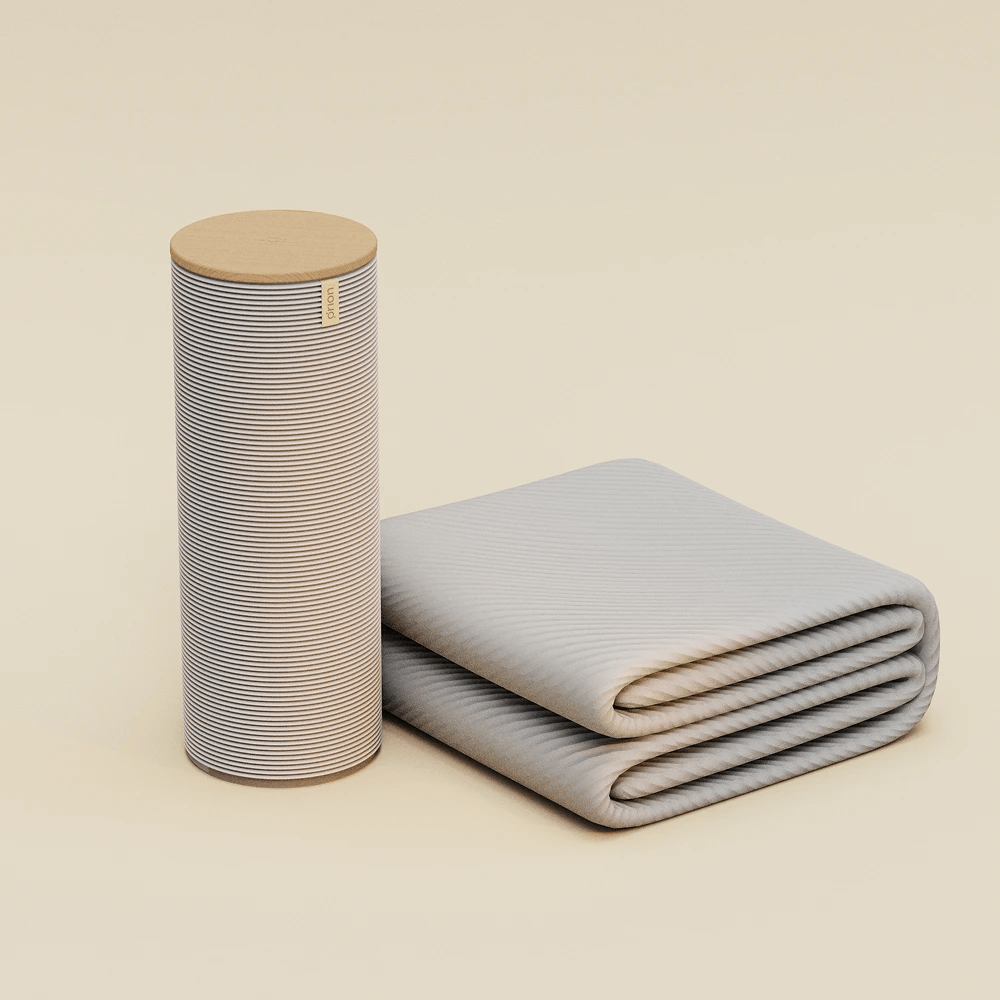
Of course, all of this technology comes at a price.
As of late September 2026, Orion lists its Sleep System plus Sleep Disruption Test from around $2,195, with financing options also advertised. The company currently offers a 30-night trial and two-year warranty on the system.
That's a completely different category from buying a basic mattress protector or cooling topper.
You're paying for the mattress cover, temperature-control hardware, embedded sensing technology, personalized functionality, software experience, and broader sleep ecosystem around it.
So I wouldn't compare Orion purely on the basis of what another mattress cover costs. The more useful question is whether someone actually wants—and will use—the additional technology Orion builds into the bed.
It’s Still a Wellness Product, Not a Medical Sleep Device
With all the sleep tracking, biometric data, and overnight analysis involved, there's an important distinction to keep clear.
Orion describes its products as consumer wellness and comfort devices rather than medical devices. Its measurements and sleep information aren't intended to diagnose or treat medical conditions.
That's particularly important when discussing the Sleep Disruption Test and biometric tracking.
The system can provide information about overnight patterns and personalize the mattress-cover experience around them, but it shouldn't be confused with a medical sleep evaluation when someone has concerns about a possible sleep disorder.
The More I Looked at Orion, the Less It Felt Like Ordinary Bedding
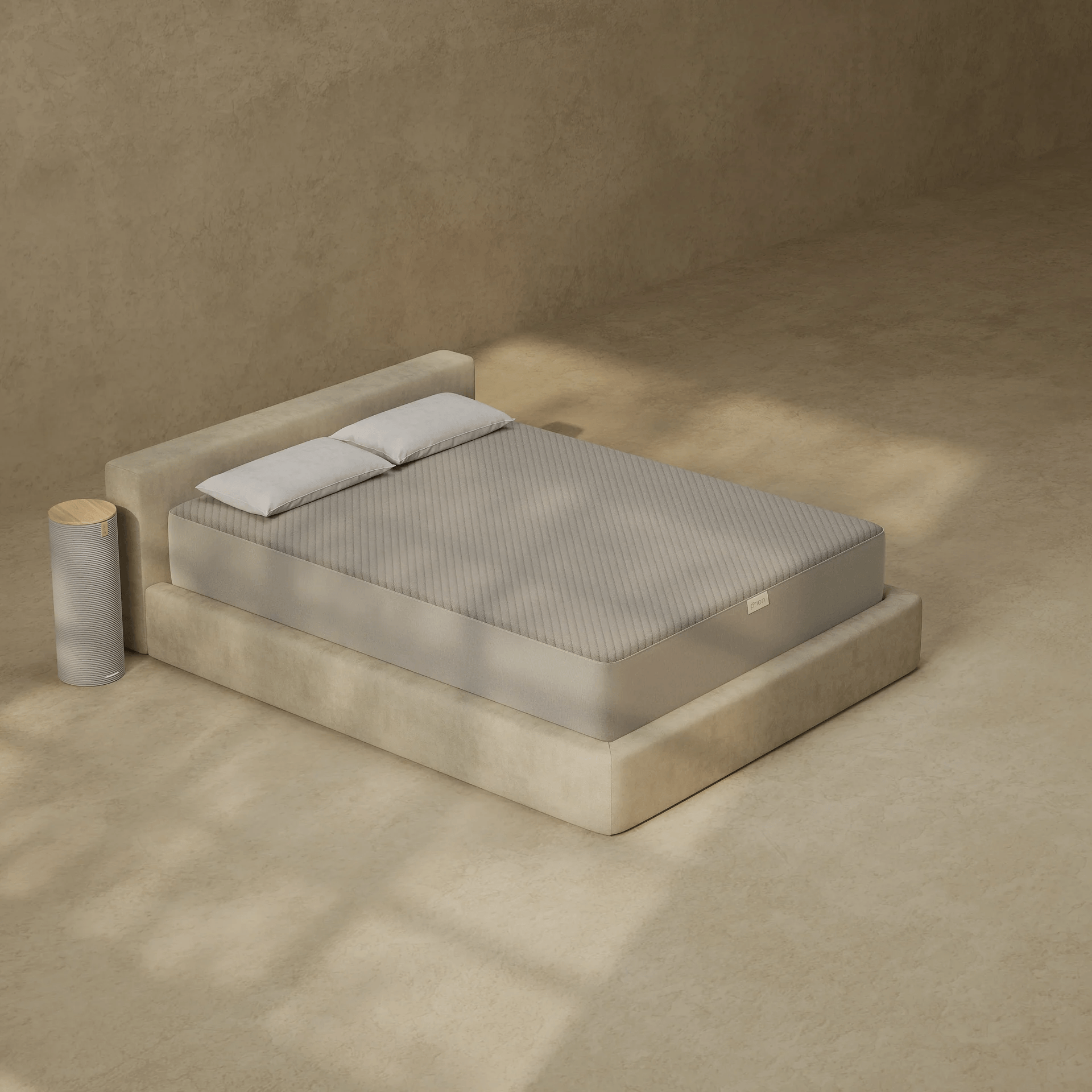
That's ultimately what changed my opinion of Orion.
At its simplest, there's still a mattress cover sitting underneath the sheets.
But underneath that simple format is a system designed to actively heat and cool each side of the bed, follow personalized temperature schedules, monitor overnight patterns, connect with an app, and adapt the experience around sleep data.
The price means it certainly isn't going to make sense for every bedroom. And its wellness insights shouldn't be mistaken for medical diagnosis.
But heading into fall and winter 2026, Orion makes a compelling case for looking at the mattress cover very differently.
Instead of simply adding another layer to the bed, Orion is trying to turn that layer into the technology that controls the entire sleep environment.